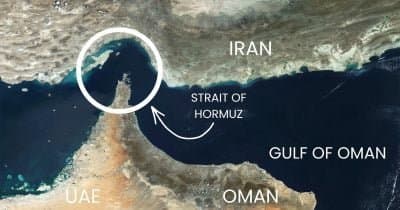
China's crude oil imports are showing signs of a significant rebound, a welcome change after a substantial decline earlier this year. This resurgence is primarily attributed to the relaxation of fuel export restrictions, increased refinery operations, and a rise in immediate purchases from Middle Eastern suppliers. The prior slump saw imports plummet by nearly 40% from February to May 2026, a decrease largely driven by geopolitical tensions that effectively closed the Strait of Hormuz, a critical passage for oil shipping.
As these tensions appear to ease and China resumes its refined fuel exports starting July, the country's refineries are ramping up operations to capture available supplies from major players like Saudi Arabia and Iraq. This shift not only alleviates some pressure on China's energy sector but also has broader implications for the global oil market, as China's recovery in import levels raises the specter of increased global oil demand. It stands to influence crude oil price predictions considerably, with many analysts suggesting there’s a growing probability that prices could reach all-time highs by year-end.
The current market pricing reflects this optimism, indicating heightened expectations for crude oil reaching unprecedented levels. The recovery of China’s imports, coupled with the potential for lifting restrictions on output, presents a scenario that could spur a significant price adjustment in the global oil market. Observers are advised to stay alert for any changes in supply dynamics from the Middle East, as well as policy adjustments from OPEC and Chinese energy officials that could further sway market conditions.
Any resurgence in geopolitical tensions in the region could jeopardize the delicate balance being restored in oil supplies and pricing. Thus, market participants should not only monitor China’s crude import levels but also remain aware of any shifting tides regarding Middle Eastern oil flows. The enhanced demand expectations from China may pave the way for a new phase of volatility in oil markets, potentially reshaping the landscape as we approach the end of the year and challenging existing forecasts.
This material is for informational purposes only and should not be considered financial advice.