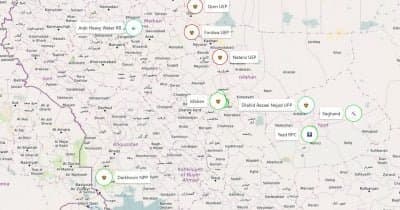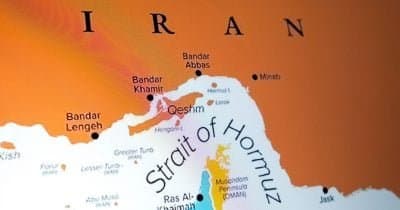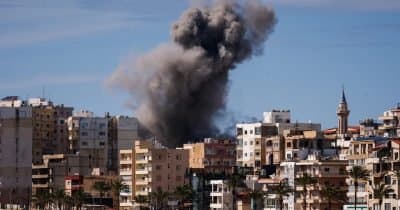
In a troubling escalation of regional tensions, three border posts and an offshore drilling rig in northern Kuwait were attacked, resulting in material damage and injury to a worker. This incident, reported by Kuwait’s Defense Ministry, underscores the precarious security situation tied to the ongoing conflict linked to Iran, the U.S., and Israel.
While the immediate local effects of these attacks are concerning for Kuwait, the significance extends far beyond national borders. The attacks are perceived as part of Iran's broader strategy to target energy assets within the Gulf region, an area critical for global oil supply. Market responses indicate a level of apprehension, with pricing reflecting an increased likelihood of further Iranian military actions against Gulf states.
The Market Response and Implications
Market activity highlights a discernible shift in sentiment, where the chances of military engagement are being priced into oil and energy-related securities. As of July 12, outcomes predicting additional Iranian military actions are priced at 91% in prediction markets, indicating a heightened sense of urgency and risk among investors. This could lead to volatility in the oil markets, with increases in pricing reflecting potential disruptions in supply.
Key dates for observation include July 13, where analysts currently see a 40% chance of further Iranian military actions. The unfolding situation, especially concerning responses from Gulf Cooperation Council countries and adjustments in U.S. military posture, will play a crucial role in shaping market dynamics moving forward.
- Three Kuwaiti border posts and one offshore drilling rig were attacked.
- Increased market pricing indicates a high probability of further Iranian military actions.
- Key dates for market observation suggest growing volatility and risks.
This article is for informational purposes only and not financial advice.