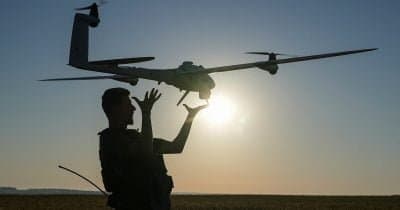
The recent strike by the Russian military on a Ukrainian port using AI-powered kamikaze drones marks a significant escalation in the ongoing conflict. This attack, confirmed by the Russian Ministry of Defense, reportedly targeted at least four vessels, aiming to disrupt Ukraine's logistical capabilities and impede its ability to transport weapons effectively.
As the Russo-Ukrainian War enters its fourth year, this development underscores a broader strategy by Russia to degrade Ukraine's infrastructure. The use of advanced technology in military operations not only illustrates a shift toward more autonomous warfare but also complicates Ukraine's defensive strategies. The integration of AI into drones represents a pivotal moment in the evolution of warfare, where technology plays an increasingly crucial role in combat.
Furthermore, the implications of this attack extend beyond immediate military objectives. Analysts suggest that the disruption of Ukrainian logistics could diminish the likelihood of Ukraine successfully recapturing Crimea. This sentiment is echoed in prediction markets, where support for such an outcome has shown signs of decline. The psychological impact of these attacks could lead to a shift in public perception and international support for Ukraine, as the feasibility of retaking Crimea increasingly comes into question.
As the situation unfolds, it is essential to monitor updates from Ukrainian authorities regarding the impact on their operational capabilities and any countermeasures they may implement. The potential for further Russian strikes on critical infrastructure could reinforce negative perceptions about Ukraine's military prospects. Key developments to watch include announcements from Ukrainian President Volodymyr Zelenskyy and military leaders, as well as shifts in international support or progress in peace negotiations.
This analysis serves informational purposes only and does not constitute financial advice.