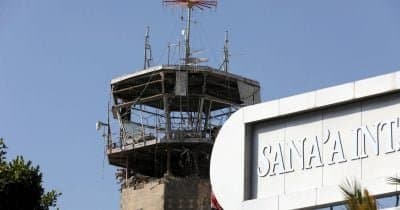
Saudi jets recently targeted the runway of Sanaa International Airport, directly aiming to thwart an Iranian plane from landing. This aggressive move marks a decisive end to the de-escalation period that had characterized the Yemen conflict since 2022, despite the fact that a formal truce had never been established. As the Houthis, who control northern Yemen, vowed revenge, the possibilities of a renewed cycle of violence loom large over the region.
The Yemeni government justified this airstrike, framing it as a necessary response to a perceived violation of its airspace by Iranian aircraft. This incident not only escalates tensions between Saudi Arabia and the Houthis but could also have broader implications in the dynamics of Iran's regional strategy. The escalating hostilities have already incited predictions within market circles regarding the potential for Iran to close its airspace entirely. The probability of this happening by the end of July has surged to 26.5%, a marked increase from just 24% the previous day and a significant jump from 8% a week ago.
This rising likelihood suggests that market participants are interpreting the recent escalation as a significant threat that might compel Iran to take defensive action, including a full airspace closure. This is critical not only for aviation in the region but also for military logistics, affecting supply chains for various regional actors.
Reactions and Implications
As tensions mount, attention now turns to official statements from Iran's Civil Aviation Organization regarding its airspace status. These updates could shape market perceptions further and stir reactions from other regional powers, including the United States. Observers should also monitor developments along the Yemen-Saudi border, particularly any retaliatory actions from the Houthis, which could further escalate tensions.
In a broader context, this aggressive posture by Saudi Arabia could have cascading effects, influencing not just military operations but also the geopolitical landscape of the Middle East and beyond. Companies and investors with interests or involvement in these regions must stay vigilant, as fluctuations in military activity could impact everything from oil prices to regional trade agreements.
This material is for informational purposes only and should not be considered financial advice.