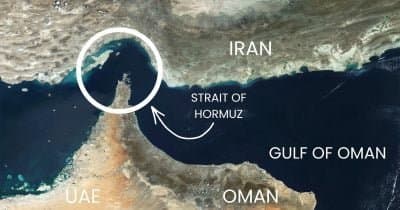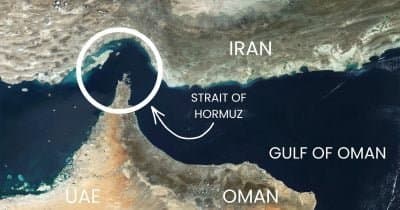
U.S. airstrikes targeting Iranian missile facilities near the Strait of Hormuz signal a significant shift in geopolitical dynamics, potentially exacerbating tensions that have already led to reduced maritime traffic in this strategically crucial passage. Reports by Mario Nawfal indicate that the U.S. military actions coincide with conflicting statements from President Donald Trump and Iranian officials regarding the operational status of the strait, which is a vital artery for global oil supply.
Market Reactions to Geopolitical Tensions
Following these developments, oil prices have begun to reflect market apprehensions about potential disruptions. The likelihood of escalating prices has increased, with WTI crude oil showing marked signs of volatility. Concerns over the stability of the Strait of Hormuz are palpable; analysts predict that if the current blockade continues, we could witness a significant decline in crude oil availability, affecting not just prices but also global supply chains.
Implications for International Shipping
The discrepancy between the narratives from Washington and Tehran raises critical questions about the future of maritime routes in the region. While Iranian authorities claim the strait is closed, U.S. assurances to the contrary might not convince shipping companies to resume normal operations. The current situation reflects a precarious environment where the normalization of shipping traffic appears more uncertain. Stakeholders, including international shipping authorities and the U.S. government, must navigate this complex landscape carefully, as any miscalculation could lead to heightened hostilities and further market disturbances.
This article is for informational purposes only and does not constitute financial advice.