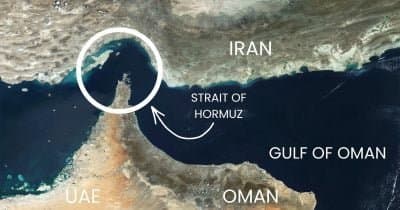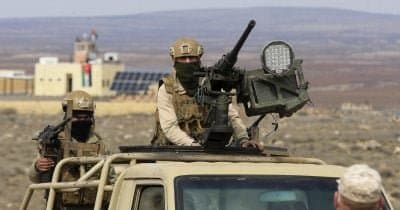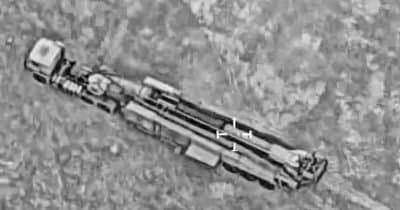
Recent U.S. military operations targeting Iranian missile launchers and drones have heightened tensions in the region, coinciding with the ongoing conflict that began in 2026. CENTCOM's release of footage depicting these strikes showcases the precision capabilities of U.S. forces during operations conducted between July 11 and 12. By systematically targeting Iranian assets, the U.S. aims to diminish Iran’s ability to threaten vital shipping lanes in the Strait of Hormuz.
Operational Goals and Strategic Implications
The current military strategy emphasizes not just immediate destruction but also long-term deterrence. As analysts evaluate these developments, it becomes clear that the strikes are a calculated move to undermine Iran's mobile strike capabilities. This tactic could potentially shift Iran’s strategic calculations moving forward, possibly leading to a reevaluation of its military posture.
Notably, market indicators are already reflecting a perceived reduction in the likelihood of Iranian military provocations against Gulf states. Investors seem to interpret the U.S. actions as a strong signal of deterrence, which may temporarily stabilize regional markets influenced by geopolitical risks.
Future Considerations for Market Participants
The fallout from these strikes will be crucial to monitor. Market observers and analysts will be on high alert for any Iranian responses, which could provoke further military action from the U.S. and subsequently influence the sentiment of investors. As seen in previous conflicts, such escalations can lead to significant fluctuations in market prices linked to military activities in the Gulf region. Iran's tactics and countermeasures may also evolve in response, which could alter the current trajectory of hostilities.
Additionally, any diplomatic maneuvers from key players like Saudi Arabia or the UAE could influence market outlooks. Such developments should be closely watched, as they could lead to shifts in both military and diplomatic strategies that have broader implications for the ongoing conflict.
This material is informational and not financial advice.