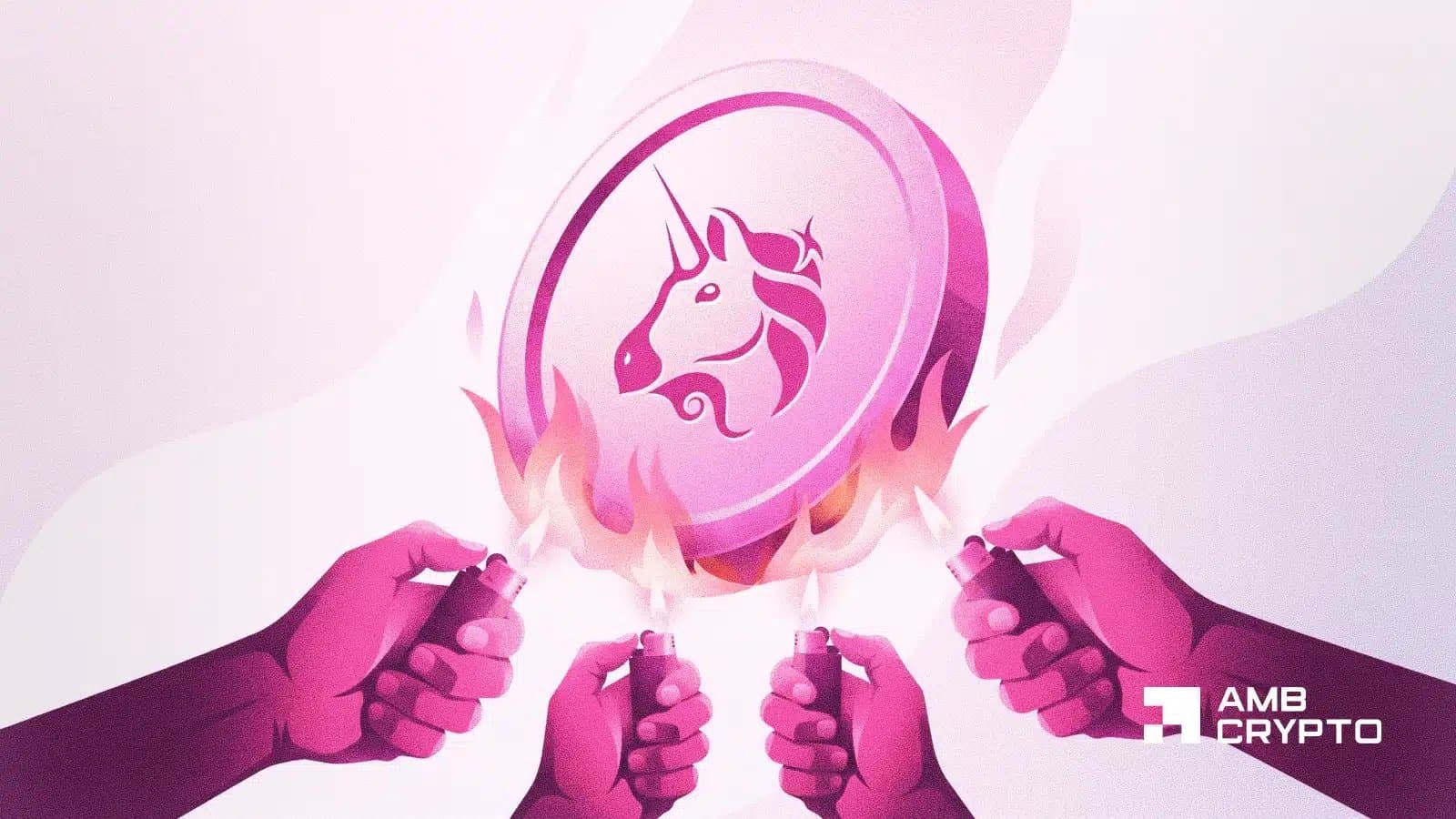
Uniswap's community is currently seeing a significant vote 74% are in favor of introducing a burn mechanism for its UNI token. This proposal aims to tie the token’s supply directly to the real use of the protocol, moving beyond simple governance incentives. The initiative comprises three governance votes, including activating protocol fees on the Robinhood Chain, implementing version 4 of the protocol, and enhancing bridge infrastructure across various chains.
If approved, the protocol will start depositing fees into TokenJar accounts, allowing users to acquire UNI tokens to burn fully, with the potential to enhance scarcity. The implications of this proposal are fundamental; if successful, it will create a strong connection between the usage of Uniswap and the decreasing supply of UNI tokens.
Furthermore, the backdrop of increasing protocol revenue makes this shift even more significant. Currently, Uniswap generates around $5 million daily and has an annual revenue nearing $50 million, according to DefiLlama data. As more trading volume floods in with the deployment of version 4 and the Robinhood Chain, fee generation is expected to grow, presenting more opportunities for token burns.
However, despite the potential benefits, the actual burn rate projected remains relatively modest compared to UNI's total supply. This raises questions about whether the mechanism will effectively create a sustainable increase in token value. Nonetheless, if network activity continues to rise, the long-term value of UNI could start reflecting genuine demand for the protocol rather than merely governance incentives.
Robinhood Chain serves as a crucial testing ground for Uniswap’s growth strategy. With over $1 billion in cumulative swap volume within days of launch, it indicates that Uniswap is reaching a wider audience. Increasing user interactions and swap activities suggest strong engagement beyond just speculative interests. Yet, the challenge lies in maintaining this user base. If Uniswap can continue attracting daily transactions and liquidity, Robinhood Chain may play a key role in its long-term growth.
Ultimately, the success of the burn mechanism ties closely to Uniswap’s adoption on the Robinhood Chain. If sustained user engagement can be achieved, it may not only strengthen token scarcity but also enhance UNI's long-term valuation.
This article is for informational purposes only and should not be considered financial advice.