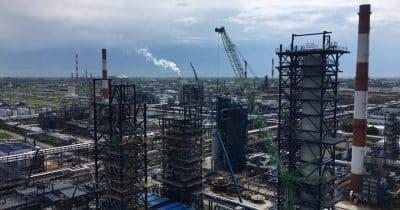
The recent escalation of tensions between Ukraine and Russia reached a critical point as Ukrainian President Volodymyr Zelensky called for increased NATO military support following a substantial drone strike on Moscow. In a significant display of military capability, Ukraine deployed around 200 drones targeting major infrastructure, specifically an oil refinery, injuring 16 civilians. This attack is a strategic move to undermine Russia's energy revenues, thereby intensifying the pressure on President Putin.
Why This Matters for Global Security
This development is crucial as it signals a potential shift in the dynamics of European security and NATO's role. The drone strike on Moscow not only represents an escalation in military tactics but also reflects Ukraine's commitment to its defense strategy amid continued Russian aggression. Observers should note the following key points:
- The scale of the drone deployment suggests a shift towards more aggressive operations by Ukraine.
- Reports of civilian casualties amplify the humanitarian concerns tied to this conflict.
- Zelensky's demands for more military support could lead to a recalibration of NATO's defensive posture.
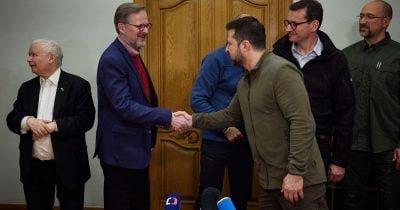
The backdrop of this conflict includes Russia's recent airstrikes on a historic monastery complex in Kyiv, which resulted in significant casualties, underscoring the cycle of retaliation that has characterized this war. Zelensky's participation in the NATO summit in Ankara is not merely symbolic; it is a plea for urgency in securing advanced defense systems like the Patriot missile systems to protect against air strikes.
Potential Consequences and Future Developments
The repercussions of Zelensky's appeal could profoundly impact NATO's engagement strategies with Ukraine and Russia. Market participants are already sensing the gravity of the situation, with sentiment indicating a favorable view towards a potential military clash by the end of 2026. This prediction carries risks for geopolitical stability and could also influence global markets, particularly sectors sensitive to defense and energy resources.
Moving forward, it will be essential to monitor several factors: NATO's response to Ukraine's requests, potential retaliatory actions from Russia, and the overall evolution of military engagements between these powers. Each of these elements could significantly alter the trajectory of the conflict and the global security landscape.
This material is for informational purposes only and does not constitute financial advice.