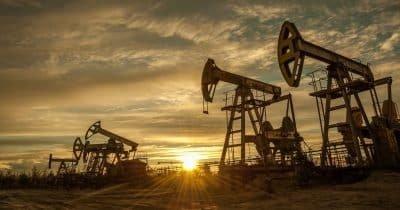
The recent projections from the Energy Information Administration (EIA) provide a significant insight into the future of global oil production, hinting at a potential reset in market dynamics by the end of 2026. This comes on the heels of a memorandum signed between the US and Iran aimed at alleviating tensions and reopening critical shipping routes, particularly the Strait of Hormuz, which is vital for oil transportation.
Understanding the Market Implications
The importance of this development cannot be overstated. The reopening of the Strait of Hormuz is projected to restore not just Iran's oil exports but also those from Iraq, Kuwait, and other Gulf nations that depend on this strategic waterway. At peak disruption during the conflict, oil exports plummeted from 15 million barrels per day to a mere 1.5 to 2.5 million barrels per day, showcasing the extensive impact of geopolitical tensions on global supply chains.
- Projected global crude oil production for 2026: 75.7 million barrels per day
- Projected global crude oil production for 2027: 81.4 million barrels per day
- Expected average Brent crude price in 2026: $82 per barrel
- Expected average Brent crude price in 2027: $65 per barrel
These numbers indicate a broader shift from a supply deficit to surplus, suggesting downward price pressure. Notably, the projections anticipate a significant increase in inventory levels, with expected builds of 2.7 million barrels per day in Q4 2026 and possibly ramping up to 5.0 million barrels per day in 2027.
What This Means for Broader Economic Dynamics
For traditional commodity traders, these shifts indicate clear strategies moving forward. The reduction in oil prices typically reduces operational costs across various industries, including energy-intensive sectors like Bitcoin mining. The anticipated drop in prices could improve margins for miners and enhance the overall economics of hash rate capacity.
This not only favors miners but also has consequential implications for the broader crypto market, as lower energy costs can invigorate investment and operational growth within this sector. Furthermore, the expected stabilization of oil prices can lead to renewed investment confidence in energy-dependent markets, potentially shifting investor sentiment towards riskier assets, including cryptocurrencies.
Looking Ahead: Future Developments and Watch Points
As the geopolitical landscape evolves, it is crucial to keep an eye on the US-Iran negotiations and the subsequent impacts on oil exports and global pricing dynamics. The upcoming months will be crucial in assessing whether these projections hold true, particularly as global demand fluctuates and as we approach 2027. Investors and market analysts will be keenly observing how these developments unfold, particularly in relation to energy markets and their intertwined relationship with digital assets.
This material is for informational purposes only and should not be considered financial advice.