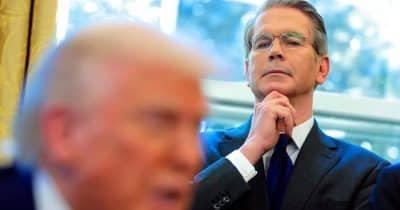
At the NATO summit, U.S. lawmakers are pressing Treasury Secretary Scott Bessent regarding the future of sanctions imposed on Russia, particularly in relation to oil exports. This demand for clarity comes as Bessent addresses a complex portfolio that includes not only sanctions but also digital asset regulation and a proposed U.S. Strategic Bitcoin Reserve. These intertwined issues reflect broader implications for both the geopolitical and cryptocurrency landscapes.
Understanding the Implications of Sanctions on Digital Assets
The scrutiny from Congress is significant, especially in light of Bessent’s dual role in enforcing sanctions while simultaneously advocating for the regulation of digital assets. The critical question is whether the administration plans to maintain, tighten, or ease the sanctions, especially in light of the ongoing military operations in Ukraine. Key points from recent legislative actions include:
- In October 2025, sanctions were placed on Rosneft and Lukoil, Russia's largest oil companies.
- By March 2026, Congress demanded explanations on any easing of these sanctions.
- June 2026 saw the Treasury sanction Iranian digital asset networks, indicating a new approach to sanctions enforcement via crypto infrastructure.
This backdrop highlights a crucial intersection: While the Treasury aims to enforce sanctions, it must also consider the implications for digital currencies, suggesting that the dynamics in crypto regulation are changing.
The Ripple Effect on Compliance and Market Behavior
If the sanctions bill advances with stricter enforcement mechanisms, the cryptocurrency ecosystem may face increased compliance costs. These costs are already significant for exchanges, which must invest heavily in sanctions screening. A tighter enforcement regime would likely escalate these expenses, which could be transferred to users through higher fees or reduced services in specific jurisdictions.
Bessent’s support for a U.S. Strategic Bitcoin Reserve aims to instill greater confidence in Bitcoin as a reserve asset. However, his recent actions, including the seizure of over $1 billion in digital assets from sanctioned networks, underscore that the Treasury is keenly aware of the need to regulate this space effectively. This regulatory approach may serve to legitimize Bitcoin while simultaneously ensuring compliance with existing sanctions.
Countries like Russia, China, and Iran have invested in digital asset infrastructures to evade dollar-denominated sanctions. Thus, an aggressive U.S. stance may encourage these nations to find alternative channels for their money flows rather than dismantling their crypto frameworks entirely.
Looking Ahead: What to Monitor in Sanction Policy and Crypto Regulation
The coming months will be pivotal for both the U.S. sanctions policy and cryptocurrency regulation. Investors should keep an eye on the following developments:
- The potential passing of the Russia sanctions bill and its implications for crypto exchanges.
- Further clarity from the Treasury on how it will navigate the regulation of digital assets amidst stringent sanctions.
- The response from countries that rely on digital currencies as a means to bypass financial restrictions.
Disclaimer: This material is for informational purposes only and should not be considered financial advice.