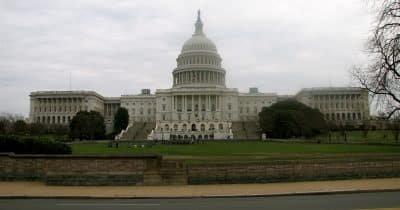
As predictions intensify surrounding potential regulatory measures for prediction markets, the implications for investors are significant. A recent poll conducted by Punchbowl News revealed that 53% of Congressional staffers anticipate legislation prohibiting insider trading on platforms such as Kalshi and Polymarket will likely pass. This finding underscores a shift towards more stringent oversight amid growing concerns about fairness and transparency in these markets.
Legislative Momentum and Insider Trading Risks
The Senate's unanimous passage of S. Res. 708 on April 30, 2026, which prohibits all senators, officers, and staff from trading on prediction markets, sets a precedent that suggests Congress is serious about safeguarding these platforms. The backdrop of this legislative focus includes significant incidents where insiders potentially exploited privileged information, illustrating risks akin to corporate insider trading. For example, if a Defense Department official were to place bets on troop deployments based on nonpublic information, it poses ethical and legal challenges for the market that could diminish its integrity.
Technical Challenges in Compliance
Both Kalshi and Polymarket are adjusting to these pressures by implementing new measures aimed at curbing insider trading. However, compliance with insider trading restrictions presents unique challenges for platforms operating on blockchain technology. While the transparency of blockchain makes transaction tracking easier, it also permits individuals to obscure their identities through pseudonymous wallets. Recent investigations into these platforms by the House Oversight Committee reflect serious scrutiny of these trading patterns, pushing for enhanced monitoring systems that require substantial investment in Know Your Customer (KYC) protocols and surveillance technology.
Bipartisan Support for Broader Prohibitions
Interestingly, while some legislative proposals focus solely on banning trades from government officials, others aim to extend these restrictions to their family members, addressing potential loopholes. This broader perspective highlights a bipartisan recognition of the need for stringent controls to enhance market integrity.
Looking ahead, the role of the Commodity Futures Trading Commission (CFTC) is critical. Should the CFTC receive expanded authority over prediction markets, it could signal a more robust regulatory framework within the broader digital asset ecosystem. Given the ten bills concerning prediction markets currently in motion, the prevailing question for investors revolves around the nature of forthcoming regulations and the potential impact on market dynamics.