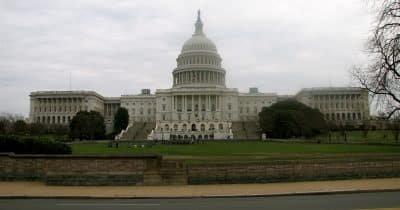
In a notable shift within the tech landscape, OpenAI is proactively endorsing legislative measures that reflect its commitment to a regulated environment. This stands in contrast to many of its competitors, who often perceive regulatory frameworks as antagonistic. By taking a cooperative stance, OpenAI positions itself not just as a market leader, but also as an influencer in shaping the future of AI governance.
Key Legislative Endorsements
Recently, OpenAI backed the Kids Online Safety Act (KOSA), which aims to create AI-specific protections for minors interacting with technology. This bill, garnering bipartisan support, signifies a growing recognition of the need for enhanced safety measures in the digital age. Furthermore, the DEFIANCE Act, supported by OpenAI, aims to address issues surrounding the misuse of AI in creating nonconsensual deepfakes, thereby empowering victims with the ability to seek civil legal recourse.
At the state level, OpenAI's endorsement of legislative efforts such as California's SB 53 and Illinois SB 315 highlights its advocacy for greater accountability among AI developers. Notably, Illinois SB 315 mandates that AI firms with revenues surpassing $500 million develop safety frameworks, thus establishing a clear accountability structure.
Implications for Competitors
The strategic backing of these initiatives introduces significant implications for the market landscape. As regulatory frameworks typically favor larger corporations capable of absorbing compliance costs, these measures could create formidable barriers for smaller market players. The adherence to safety protocols, as necessitated by the Illinois regulation, may compel nascent AI companies to rethink their market entry strategies, potentially stalling innovation in the space.
Predictability in Liability
OpenAI's support for the DEFIANCE Act cannot be understated in terms of its potential impact on liability issues. A federal civil rights framework that clarifies the liability associated with deepfakes offers a more predictable legal environment for major AI companies. This contrasts sharply with the existing fragmented state laws, providing larger firms a clearer path to navigate the complexities of legal risks while also setting the landscape for future legislative developments.
In conclusion, OpenAI's regulatory strategy appears to be a calculated play to cement its dominance in the AI sector while paving the way for a more manageable environment for compliance and accountability. By embracing regulation, OpenAI may not only strengthen its own position but also inadvertently reshape the competitive dynamics of the broader technology market.