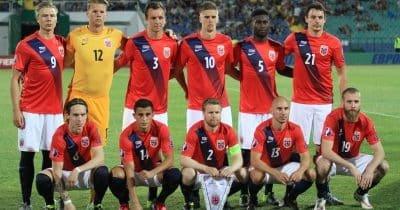
The recent victory of Norway over Brazil in the 2026 FIFA World Cup Round of 16 has sent shockwaves through both the sports world and the crypto markets, particularly affecting fan tokens and prediction markets. Norway, typically seen as an underdog, clinched a stunning 2-1 victory, sending the five-time champions packing earlier than expected.
This surprising exit marks Brazil's earliest departure from the World Cup since 1990 and underscores the volatility inherent in high-stakes sporting events. Fan culture, especially in countries like Brazil where football is akin to a national religion, adds a distinct layer of emotional investment to the financial markets tied to sports.
Impact on Fan Tokens and Trading Activity
Norway's win notably impacted the Brazil Fan Token (BFT), which experienced a significant spike in trading volume during the match. At one point, the BFT token was trading close to $0.003, reflecting the immediate, heightened interest from fans and speculators alike. This kind of price fluctuation illustrates how fan tokens serve dual purposes: engaging fans and acting as speculative instruments.
The crypto community saw enhanced activity not just in fan tokens but also in prediction markets. Platforms like Polymarket and Coinbase Predictions noted an increase in user engagement, where participants bet on match outcomes and individual player performances. This surge in trading and wagering reflects a broader phenomenon where crypto markets thrive around large sporting events, creating unique investment opportunities.
Speculation and Sentiment: Key Drivers
Fan tokens have become a compelling experiment within the crypto ecosystem, blurring the lines between sports fandom and financial speculation. Their price movements are largely driven by sentiment rather than fundamental value. As seen in this instance, price spikes during tournaments tend to be followed by a downturn post-event, often leaving investors holding tokens that lose value as the adrenaline wears off.
The existence of meme tokens tied to athletes further accentuates this speculative environment. For instance, there was notable interest in a Solana-based meme token themed around Erling Haaland, but no substantial new token launches occurred as a direct result of Norway's victory. Instead, existing infrastructures like fan tokens and betting markets capitalized on the fleeting excitement.
Conclusion and Outlook for Investors
The aftermath of this match signals a crucial lesson for investors: the possible volatility associated with crypto linked to sports events. With growing participation in platforms like Polymarket, industry professionals and investors alike must recognize the cyclical nature of fan-driven markets. As global sporting events become more intertwined with digital assets, the patterns of buy and sell will likely reflect the emotional highs and lows of fans.
Understanding these dynamics can help investors navigate speculative bubbles and volatility linked to fan tokens, particularly in contexts where sentiment reigns supreme over intrinsic value.