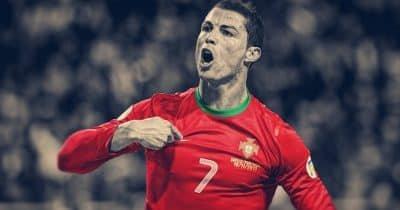
The recent announcement by Cristiano Ronaldo regarding his retirement from international tournaments has sent ripples through the world of sports, particularly affecting the burgeoning market of NFTs and fan tokens. As he prepares for his last World Cup, the implications of his departure extend far beyond the pitch, potentially reshaping the athlete tokenization landscape valued in billions.
Ronaldo's Legacy and Market Impact
At 41, Ronaldo is not only a sporting icon with a historical record of 232 caps and 146 international goals but also a pivotal figure in breaking records at the World Cup, having scored in six different tournaments. His farewell caps a remarkable career, which has seen him transcend the sport and become a global brand. This announcement comes at a crucial time for the fan engagement sector, where digital collectibles and athlete-centric tokens have been gaining traction.
As sports NFTs and fan tokens have emerged as new asset classes, the presence of megastars like Ronaldo has been instrumental in their rise. The question now arises: how will his departure affect the demand for such tokens? His collectible items and associated digital assets may experience both short-term volatility as fans react to his retirement and potential long-term declines if new star athletes do not emerge to capture the market's attention.
Consumer Sentiment and Adaptation
During the press conference, Ronaldo expressed hopes that his match against Spain would not mark the end of his appearances on the field. This uncertainty regarding his future could lead to fluctuations in the value of existing NFTs related to him. Fans and investors alike are likely to monitor this situation closely, assessing whether value in these tokens remains sustainable when no longer tied to his active career.
Interestingly, Ronaldo's decision also intersects with the broader trend of increasing regulation and scrutiny on sports-themed digital assets that have been outlined in articles discussing new regulatory measures. As the market evolves, athletes' influence alongside regulatory frameworks will shape the future of fan engagement.
Conclusion: The Future of Tokenization
Ronaldo's retirement may serve as a litmus test for the resilience of the sports NFT and fan token markets. As investments in these areas grow, they will need to adapt to the evolving landscape of sports fandom. Investors and collectors would do well to stay alert, as the next wave of stars will play a crucial role in maintaining momentum in these digital economies.