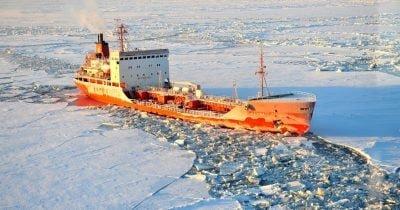
Recent military actions by Ukraine, specifically targeting eight Russian fuel tankers along with 58 military installations in Crimea, represent a significant tactical shift in the ongoing conflict. Reports indicate that these strikes were executed overnight with the intent of disrupting essential supply chains that support Russian military engagement in the region, particularly amidst a deepening fuel crisis, the worst since 2014.
Why This Development Matters
The implications of this operation extend beyond immediate logistical setbacks for Russia. By successfully hitting critical fuel supplies, Ukraine is not only aiming to hinder Russia's operational capabilities but also to psychologically and politically impact the morale both on the battlefield and within the broader Russian populace. The Crimean peninsula has been under Russian control since its annexation in 2014, and any disruption could potentially embolden Ukrainian forces and their supporters.
- Eight Russian fuel tankers and 58 military targets struck in the latest operations.
- This is described as Crimea's worst fuel crisis since 2014.
- The operation aims to weaken key logistical routes, including the Crimean Bridge.
Moreover, this strike intersects with a context of decreasing probabilities regarding Ukraine's ability to reclaim Crimea. While earlier expectations may have waned, this operation could serve to demonstrate Ukraine's continued resolve and capability. It adds an unpredictable element to the conflict, potentially revitalizing discussions on military effectiveness and territorial control.
Looking Ahead: Potential Fallout and Strategic Developments
As the situation unfolds, attention will keenly focus on Ukraine's future military maneuvers, particularly any direct ground incursions into Crimea. This could signal a critical escalation in the conflict and may alter the existing military dynamics significantly. Stakeholders, including market observers, are likely to watch for responses from both Ukrainian President Volodymyr Zelenskyy and Russian President Vladimir Putin, as any major shifts in logistics and territorial control have the potential to reshape perceptions of strategic progress for Ukraine.
This material is for informational purposes only and is not financial advice.