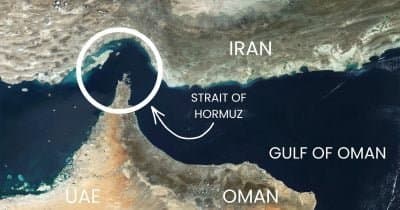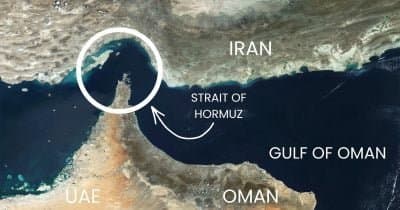
The United Arab Emirates has condemned Iran's recent aggressive actions against oil tankers, specifically highlighting incidents involving the Mombasa and Bahiyya. This escalation in the Strait of Hormuz is critical, as it shows ongoing tensions in a region vital for global oil transport.
Escalating Tensions in a Key Shipping Lane
The UAE's condemnation is not merely a diplomatic gesture; it reflects a broader concern regarding maritime security in the Strait of Hormuz. This strait is a crucial artery for oil shipments, with approximately 20% of the world's oil flowing through it. The UAE's Foreign Ministry described Iran's actions as piracy perpetrated by the Revolutionary Guard Corps, raising alarms about the implications for international law and trade.
Recent Iranian attacks on vessels, including the Qatari LNG tanker Al Rakayat and the Saudi tanker Wedyan, indicate a pattern of aggression that could destabilize the region further. As tensions mount, the UAE's denunciation adds to international pressure on Iran, which could potentially affect the internal political dynamics within the country.
Market Reactions and Political Implications
The situation has significant ramifications for market perceptions, particularly regarding the stability of Iranian President Masoud Pezeshkian. Market indicators suggest a slight increase in the perceived likelihood of his departure before year-end, reflecting investor anxiety over political stability in Iran. Observers will be closely monitoring statements from Iranian leaders like Ayatollah Ali Khamenei and Ahmad Vahidi for any indications of a shift in Iran's political landscape.
The international community, including the U.S.-led naval coalition, remains vigilant, anticipating further escalations in the Strait of Hormuz. The outcome of this situation could influence oil prices and, by extension, global supply chains, as any disruption in this key shipping lane may have far-reaching effects.
This material is informational and does not constitute financial advice.