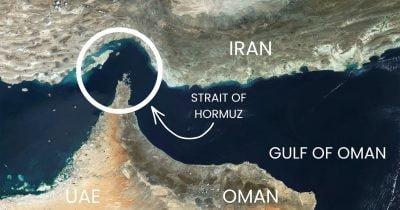
The recent announcement by President Donald Trump regarding the termination of the Iran peace deal has significant implications for global oil markets, notably heightening concerns about the Strait of Hormuz, a vital corridor for oil shipments. With Iran taking steps to block this key maritime route, the energy market is witnessing a surge in oil prices as traders react to the possibility of prolonged disruptions.
Trump's decision marks a pivotal shift in the U.S.-Iran relations, bringing back the specter of military confrontations that had been temporarily dampened under prior diplomatic efforts. The breakdown of this diplomatic framework raises questions about the likelihood of escalating military activities and further destabilization in the region. Analysts warn that heightened tensions could lead to retaliatory strikes by the U.S. on Iranian military installations, exacerbating the situation in a region critical to global energy supply.
Market Reaction and Price Dynamics
The immediate market response has been one of concern, evidenced by a notable decline in market expectations for the normalization of traffic through the Strait of Hormuz. For instance, the likelihood of a return to normal operations by August 31 has dropped significantly, indicating that traders are preparing for a prolonged blockade. This shift is reflected in the pricing of various assets, with companies like YES dropping from 22% to 18.5% in terms of supply chain optimism.
The implications of these events extend beyond speculative trading; they indicate a potential for real disruptions in oil supply that could ripple through global markets. Increased oil prices could further strain economies dependent on stable energy prices, particularly those already grappling with inflationary pressures. The interconnectedness of geopolitical stability with market performance means that investors must remain vigilant about any developments that could influence U.S.-Iran relations.
Future Developments to Monitor
Looking forward, it is essential for market participants to closely monitor diplomatic interactions and military maneuvers between the U.S. and Iran. Key statements from leaders of both nations will play a critical role in shaping market sentiment and expectations. A significant breakthrough toward de-escalation, such as a new peace agreement, could ease fears and lead to a rapid recovery of oil prices. Conversely, any increase in military engagements or further blockades would reinforce existing market apprehensions and likely sustain elevated oil prices.
Investors should also be aware of the broader geopolitical landscape, as similar tensions have previously impacted investor confidence in other sectors, including cryptocurrencies. For a discussion on how geopolitical tensions influence cryptocurrency stability, see our article here.
This material is for informational purposes only and should not be considered financial advice.