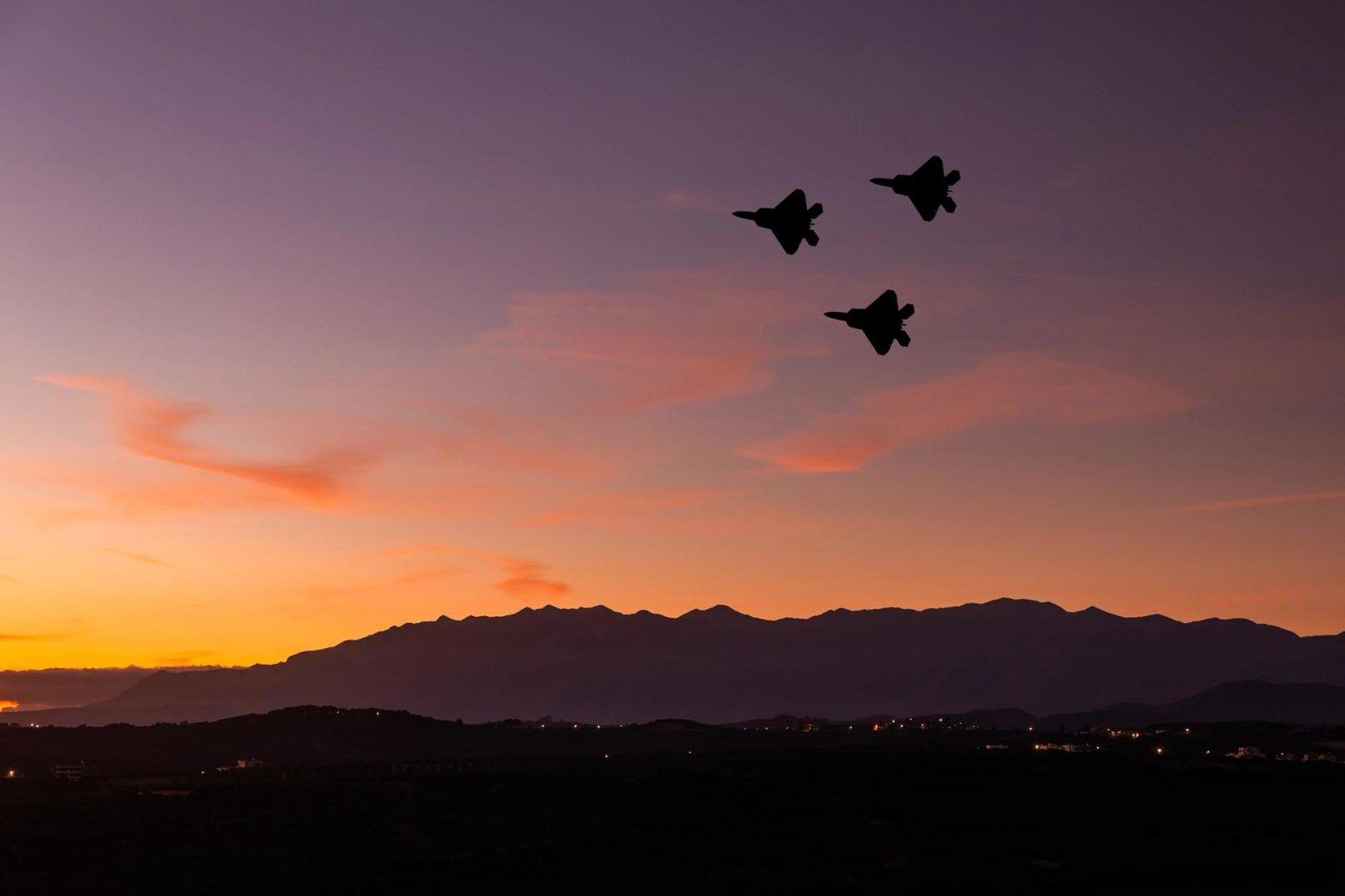
In light of recent U.S. airstrikes on Iran and Tehran's announcement to close the Strait of Hormuz, Bitcoin and major cryptocurrencies have shown unexpected resilience. Over the weekend, Bitcoin hovered around $63,800, reflecting only minor fluctuations despite escalating geopolitical tensions.
The announcement marks the third strike this week against Iran, leaving investors to question how these developments might influence the cryptocurrency market. Traditionally, military actions in critical regions have caused heightened volatility in asset prices. However, the digital asset space appears to be treating this particular incident as a non-event, which raises questions about investor sentiment and market dynamics.
While Bitcoin displayed a slight 0.3% downturn over 24 hours, it still managed a 2% increase for the week, indicating a level of stability that diverges from historical patterns. Ethereum followed a similar trajectory, maintaining its value around $1,800 and also posting a weekly gain.
Notably, earlier reactions to Iranian actions had prompted sharp sell-offs and elevated oil prices. When Tehran first closed the Strait of Hormuz, it led to a spike in Brent crude prices past $100 a barrel. However, the subdued current response signals a potential shift in market perceptions. The muted fluctuation may suggest a broader market confidence, treating the closure as an aggressive yet previously seen posturing rather than an acute crisis.
The oil markets, which are closed for the weekend, await a full reaction when trading resumes. Given that approximately a fifth of the world’s oil passes through the Strait, any significant changes in crude prices will likely have ripple effects across markets. If crude resumes trading with a substantial price increase while Bitcoin holds steady, this could signify a new phase in how digital assets respond to geopolitical tensions.
The forthcoming trading sessions will be pivotal; if oil opens sharply higher, it could prompt a reassessment across the crypto landscape. Conversely, a calm response in oil prices may reinforce the notion that markets are learning to factor in such geopolitical risks more intelligently.
This material is for informational purposes only and should not be considered financial advice.