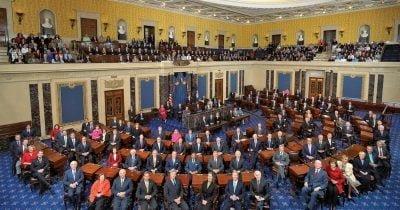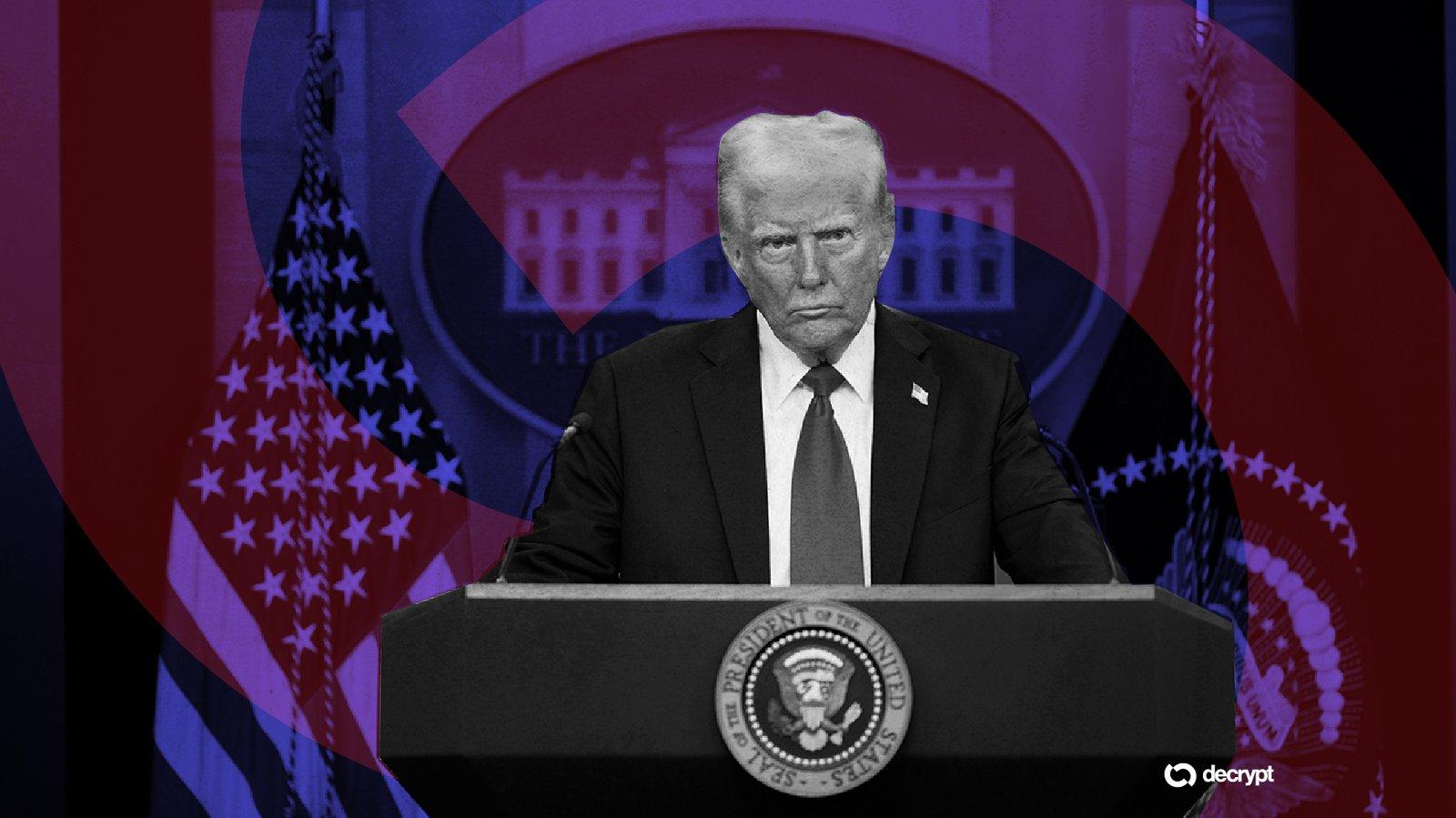
Recent developments have highlighted significant concerns among U.S. lawmakers regarding potential national security risks tied to President Trump’s cryptocurrency ventures. A coalition of five senior Senate Democrats is urging Republican leaders to investigate these connections, particularly focusing on Trump’s interest in World Liberty Financial (WLF), which has drawn substantial foreign investment from Abu Dhabi and other UAE entities, amounting to $500 million.
Context of the Congressional Demand
The urgency for hearings arises amid ongoing deliberations in Congress regarding crucial stablecoin legislation and comprehensive regulatory measures for cryptocurrencies. The Democrats argue that it is impractical to draft fair regulations when the president reportedly earns billions from an industry under scrutiny. This backdrop raises questions about ethical governance and the potential for conflicts of interest.
The Financial Landscape
Trump’s recent financial disclosure paints a remarkable picture of his crypto earnings, which surpassed $1.4 billion over the past year. Breaking it down, approximately $635 million originated from meme coin royalties while around $527 million came from WLF token sales. For Democrats, the involvement of a foreign entity in a project linked to a sitting president exacerbates their concerns, as risks extend beyond mere ethical dilemmas into national security territory.
Implications for Future Crypto Regulations
This scenario not only underscores the complexities surrounding foreign investment in U.S. crypto projects but also reflects a growing apprehension regarding transparency in the sector. Unlike traditional investment avenues like real estate, decentralized finance (DeFi) projects and token sales can facilitate significant capital flows with minimal oversight.
The push for tighter regulations is exemplified by the stalled stablecoin bills, where legislators have withdrawn support until stronger anti-money laundering measures are instituted. The uncomfortable convergence of foreign money and domestic policy in the cryptocurrency realm raises critical alarm bells across the political spectrum, not least because it highlights the inadequacies in historical campaign finance regulations.
In conclusion, while investigations into Trump’s crypto activities may initially appear to be politically motivated, they underscore broader implications for the regulatory landscape that could significantly alter how cryptocurrencies are managed in the U.S. The forthcoming hearings, if they occur, may serve as a pivotal moment in setting boundaries around foreign investments in the growing crypto market, particularly as Congress strives to establish a more robust framework for oversight.
This material is informational and should not be considered financial advice.