On July 10, 2026, a bipartisan coalition of four U.S. senators announced a significant breakthrough in sanctions legislation aimed at increasing economic pressure on Russia, a move that carries substantial implications for global energy markets and geopolitical stability.
Context and Legislative Details
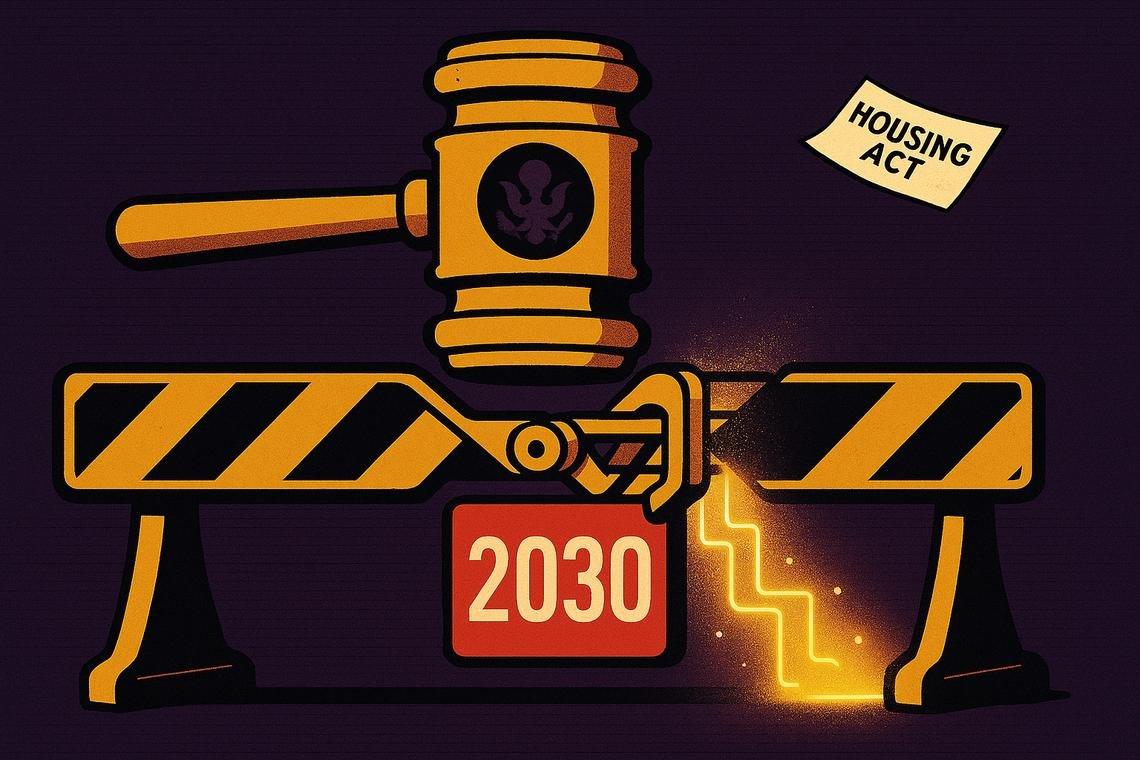
The Sanctioning Russia Act, spearheaded by Senators Lindsey Graham, Roger Wicker, Richard Blumenthal, and Jeanne Shaheen, represents a crucial step in the U.S. response to the ongoing conflict in Ukraine. This bill empowers the president to impose severe blocking sanctions, effectively isolating Russia from the global financial system. Moreover, it introduces the threat of tariffs as high as 500% on countries that continue purchasing Russian oil, gas, or uranium.
This legislation, Senate Bill 1241, has garnered over 80 co-sponsors, highlighting the bipartisan support it possesses, which is rare in contemporary U.S. politics. The backing of the Trump administration lends further credence to its potential effectiveness, marking a shift from previous stalled efforts that were hindered by the administration’s diplomatic negotiations with Moscow.
Global Implications for Energy Procurement
The timing of this legislation is critical. Since Russia's invasion of Ukraine, many countries, particularly in Asia and Europe, have continued to import Russian energy at discounted rates, inadvertently funding Russia's military operations. As the sanctions take effect, countries reliant on Russian supplies will have to reassess their procurement strategies. This could lead to significant shifts in energy purchasing patterns and a potential increase in energy prices globally.
The international community may also witness a ripple effect, where nations not currently dependent on Russian resources might take steps to secure alternative supply chains. Such changes could ultimately accelerate the transition towards renewable energy sources as countries seek to diversify their energy portfolios to mitigate reliance on politically unstable suppliers.
Economic Coercion Versus Military Assistance
This bill signals a strategic pivot towards economic coercion as a means to address geopolitical crises, potentially serving as a substitute for direct military assistance. With a growing consensus on the inefficacy of conventional diplomacy in deterring aggressive actions by nations like Russia, the use of severe economic repercussions reflects an evolving understanding of modern conflict dynamics.
In terms of broader market impacts, the legislation does not include specific measures targeting cryptocurrency, diverging from earlier proposals that considered regulating crypto assets as part of sanctions. As debates surrounding digital assets continue, particularly in the context of their use in circumventing traditional banking restrictions, the absence of such measures in this bill suggests a focus on direct energy sanctions for now.
The impact of these sanctions, should they be fully implemented, could significantly reshape international trade relations and influence the global energy market's stability. Investors and stakeholders in energy sectors will need to remain vigilant as the situation evolves, given the potential for dramatic shifts in supply and demand dynamics.
This article serves informational purposes only and should not be construed as financial advice.