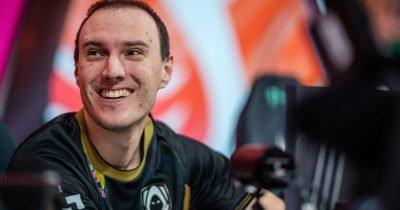
In a significant shift within the esports landscape, G2 Esports has announced the return of Luka “Perkz” Perković as head coach ahead of the Esports World Cup, illustrating the increasing emphasis on strategic leadership within competitive gaming. This change not only marks Perkz’s transition from player to coach but also highlights the evolving dynamics of organizational investment as stakes rise across the industry.
Perkz's arrival as head coach comes at a critical moment, with the Esports World Cup set to commence on July 15. His previous successes as a player, where he was pivotal in G2's golden era, lend credibility and experience that the organization seeks to reclaim. By replacing Dylan Falco, who oversaw a mediocre period for G2, G2 is signaling a commitment to re-establish its dominance by bringing back a familiar face, thus capitalizing on the nostalgic connection with fans and players alike.
Strategic Implications of Coaching in Esports
Perkz’s appointment emphasizes a shift in mindset towards coaching roles in esports, where veteran players transition into strategic positions. His described role as a positional coach indicates a focus on individual player development and lane-specific strategies rather than a blanket approach to game management. This could revolutionize how teams prepare and engage during high-stakes tournaments, potentially giving them an edge in a competitive environment that has now more than ever emphasized specialized skill development.
The growing importance of coaching can be seen as a response to the increasing professionalism in esports as organizations recognize that strategy and adaptability are just as crucial as raw talent. This trend correlates with B2B investments and partnerships that expand beyond traditional gaming dynamics, which raises the question: what are the broader implications for talent acquisition and resource allocation in esports organizations?
Market Growth and Future Prospects
The backdrop of the Esports World Cup, backed by Saudi Arabia's significant investments, underlines the high stakes of competitive gaming today. By hosting a tournament with enormous prize pools and production value, the region is positioning itself as a powerhouse within the gaming industry. The implications for organizations like G2, which are now under pressure to perform, cannot be overstated. Success at such prominent events directly feeds into branding, sponsorships, and overall organizational viability.
As the esports sector continues to grow, organizational structures are adapting. G2's decision to bring back a legendary player in a leadership role serves as an indication of the shifting trends in how teams view talent no longer confined to just on-screen performance, but also extending into how teams strategize and execute their gameplay. This could set a precedent for how other organizations structure their own teams moving forward.
This article is informational and not financial advice.