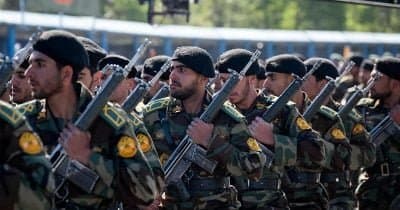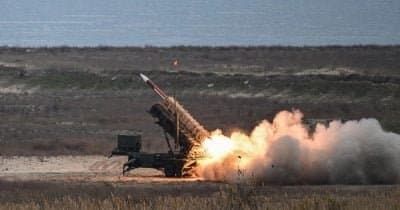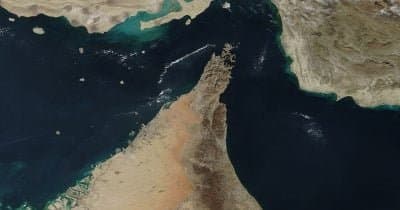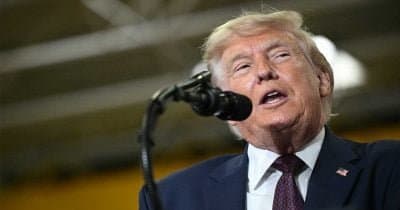
In a recent interview with Fox News, President Donald Trump indicated that the United States intends to seek compensation for its role in ensuring the security of the Strait of Hormuz, a critical corridor for oil shipments. This comment is not merely a rhetorical flourish; it highlights an evolving U.S. military posture in a region fraught with geopolitical tension, especially in light of ongoing hostilities with Iran. By positioning U.S. military forces as a 'guardian angel' over this vital waterway, Trump is signaling a potential escalation in American involvement that could have profound implications for global oil markets.
Geopolitical Context of the Strait of Hormuz
The Strait of Hormuz is pivotal for the global oil supply, with around 20% of the world’s petroleum passing through it. The recent increase in U.S. military presence in this region, as suggested by Trump's comments, raises fears of prolonged disruptions to shipping traffic, something that market participants are keenly monitoring. As tensions continue to simmer, the Strait has become a flashpoint for conflict, drawing in various international players and complicating the geopolitical landscape.
Market Reactions and Predictions
Market responses to Trump's announcement have been telling. Reports indicate that the probability of traffic through the Strait normalizing by the end of August has dropped from 18% to 15.5%. This reduction suggests that investors are interpreting the U.S. plans as a precursor to heightened risks that might further delay any return to stability. The current odds reflect a market increasingly cautious about U.S.-Iran tensions and the potential for either military escalations or diplomatic breakthroughs in future interactions.
Investors should also be aware of the wider economic implications tied to potential military actions. Fluctuations in oil prices can be anticipated based on developments in the Strait, which has historically reacted sharply to changes in geopolitical climates. Should the situation take a turn for the worse, we may see spikes in oil prices that would reverberate across global markets, affecting everything from fuel prices to inflation rates.
Key Developments to Monitor
The situation remains fluid, thus it is crucial for observers to keep close tabs on upcoming announcements from both U.S. and Iranian officials. Any definitive plans for military escalation could further dampen the likelihood of traffic normalization. Conversely, a move towards diplomatic engagement could create conditions for stabilization. Additionally, monitoring vessel tracking updates and analyzing oil price movements will offer critical insights into how the situation continues to unfold.
This article is for informational purposes only and does not constitute financial advice.