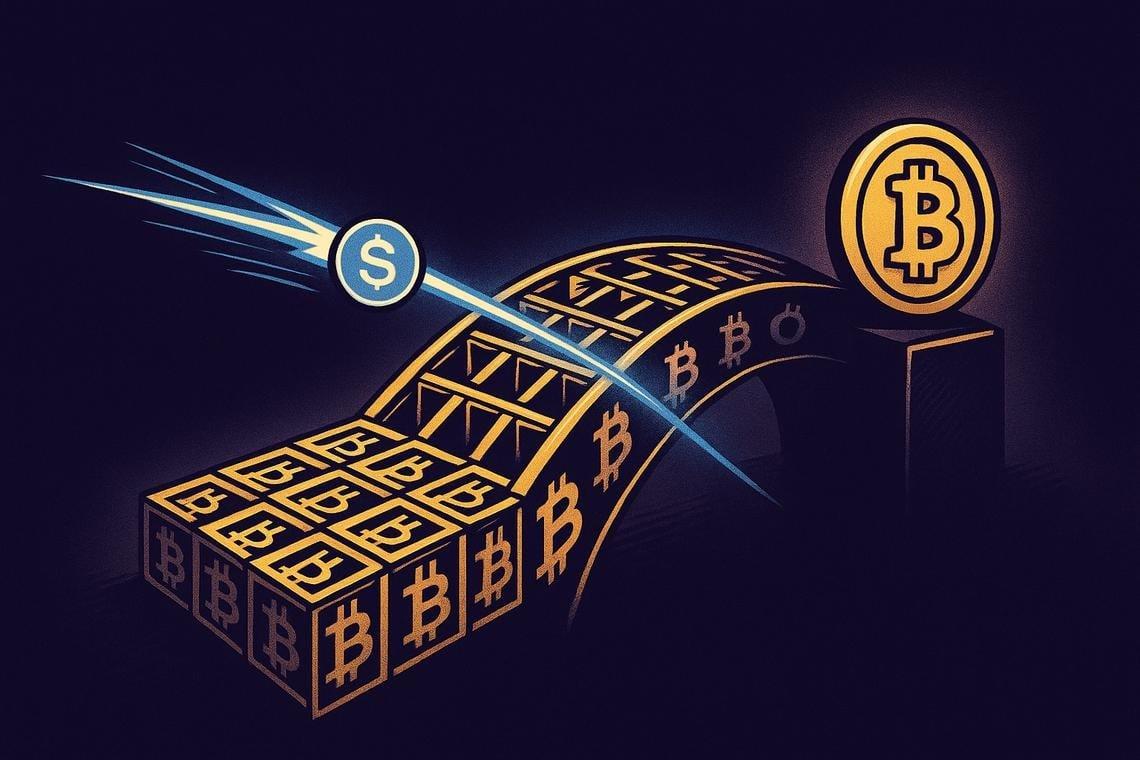
The imminent launch of USDT on Bitcoin via the RGB protocol marks a significant shift in the stablecoin landscape, potentially disrupting Tron's long-standing dominance in the space. Tether’s initiative, in collaboration with UTEXO, aims to revitalize Bitcoin as a primary platform for stablecoin transactions, a position it once occupied before diversifying onto various other networks due to cost and speed advantages.
Why This Development is Critical
This move is crucial for several reasons. Firstly, it re-establishes Bitcoin as a viable settlement layer for stablecoins, which could encourage more businesses and users to integrate BTC into their operational frameworks. As Bitcoin is the most recognized cryptocurrency, its use as a base for stablecoins can enhance legitimacy and trust among users.
- Tether plans to launch native USDT on Bitcoin by July 2026.
- UTEXO is the dedicated distributor for this relaunch, focusing on seamless integrations.
- The RGB protocol will facilitate private and instant transactions without extra fee tokens, expanding functional use cases for Bitcoin.
Furthermore, by leveraging RGB's capabilities, Tether can ensure that USDT transactions on Bitcoin will not only maintain privacy but also provide predictable costs, offering a smoother experience reminiscent of traditional financial operations. This could attract businesses back to Bitcoin-based solutions, reversing the trend that saw much of the stablecoin activity shift to networks like Tron, Ethereum, and Solana.
Potential Market Implications
As Tether’s USDT aims to reclaim its native platform, we may witness a shift in how users perceive and utilize stablecoins. If the launch proves successful, Tether could potentially reclaim a significant share of the market. With Tron having dominated stablecoin transfers, Tether’s efforts pose a direct challenge, reigniting competition.
Moreover, USDT's return could catalyze other companies to explore similar integrations with Bitcoin, fostering innovation in utilizing the network beyond mere value transfers. By rejuvenating interest in Bitcoin as a settlement layer, it could also contribute towards increased adoption and use cases for the Bitcoin network itself.
What to Watch For Next
Investors and market participants should closely monitor the launch timeline, as well as initial uptake and integration by various wallets and exchanges. Additionally, tracking Tron's response to this challenge will provide insights into how competitive dynamics will evolve in the stablecoin sector.
This material is for informational purposes only and is not financial advice.