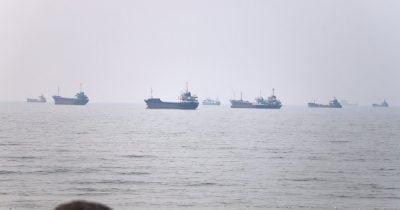
The recent attack by Iran on the Singapore-flagged cargo ship, the Ever Lovely, in the Strait of Hormuz marks a significant escalation in a region already characterized by military unrest. This incident not only defies a U.S. ultimatum but also breaches a ceasefire agreement that was part of a diplomatic memorandum established in mid-June. The implications of this aggression extend beyond immediate military concerns; they also threaten the stability of maritime traffic in a crucial global trade route.
Escalating Tensions and Market Reactions
The attack has already had a palpable impact on markets related to the Strait of Hormuz, leading to a decrease in confidence regarding the normalization of maritime traffic by the projected deadline of August 31, 2026. Market participants appear increasingly skeptical of the likelihood that traffic will return to pre-incident levels, signaling a broader apprehension about ongoing stability in the region. In essence, the recent developments have deepened uncertainty, causing traders to hedge against potential disruptions.
The Diplomatic Landscape: A Fragile Peace?
Despite ongoing diplomatic efforts in Oman to mediate the conflict, the situation remains precarious. Observers are closely monitoring announcements from both Iran and the U.S. that could either exacerbate tensions or pave the way for resolutions. The effectiveness of the current diplomatic talks will be crucial; any failure to achieve concrete agreements could result in further military escalation. As tensions rise, the dynamics of maritime traffic and the security of shipping lanes will be critical indicators for the market's future direction. Continuous updates regarding the status of the Strait and any military responses from the U.S. will likely affect investor sentiment and market pricing.
This article is for informational purposes only and should not be considered financial advice.