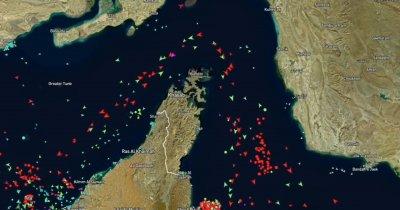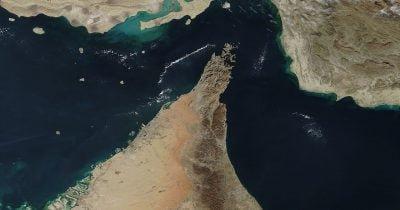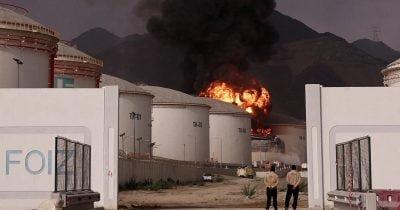
The ongoing tensions in the Strait of Hormuz are amplifying existing vulnerabilities in global energy supply chains, particularly for crude oil and LNG. As reported by Bloomberg Markets, this vital passageway accounts for approximately 20% of the world's oil shipments. Recent geopolitical events have reignited concerns over the stability of this route, despite a memorandum of understanding between the U.S. and Iran aimed at reducing tensions. The situation has become increasingly precarious with the U.S. revoking Iran's oil-sale waiver, combined with recent vessel strikes that have escalated the risk profile for shippers in the area.
This region’s instability is not merely a local issue; it has far-reaching implications for global oil markets. With expectations around West Texas Intermediate (WTI) crude oil pricing reflecting a rising likelihood of hitting higher thresholds, analysts are cautious yet alert. While the probability of prices reaching $130 per barrel in the near term remains low, it is incrementally increasing as uncertainty continues to loom over the strait's reopening. Current market sentiment shows diminished confidence in the normalization of traffic through this critical trade conduit by late August.
As we observe developments between the U.S. and Iran, key indicators will include official communications regarding the strait's operational status and any alterations in production strategies by OPEC+. The potential for diplomatic breakthroughs could shift the current dynamics, but continued instability is likely to exert additional upward pressure on oil prices. A prolonged closure of the Strait could exacerbate scarcity, leading to fluctuating prices that may ripple through not just energy markets but also other sectors that rely on a stable supply of oil.
This situation bears similarities to past instances where geopolitical tensions have disrupted supply lines, reminding stakeholders of the fragile equilibrium that exists in energy markets. For investors and market participants, the importance of monitoring these developments cannot be overstated, as they could significantly impact trading strategies and investment outlooks. In particular, any resolution that improves stability could provide much-needed relief to global energy markets, whereas continued turmoil can lead to seismic shifts in pricing dynamics.
This material is informational and should not be considered financial advice.