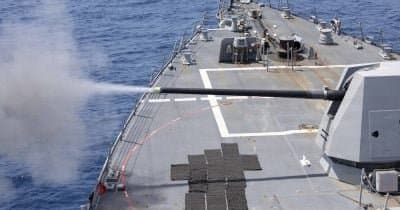
The recent targeting of two UAE tankers by Iranian cruise missiles in the Strait of Hormuz represents a notable shift in the region's geopolitical dynamics. This incident stands out not only due to the escalation of military actions but also because it contrasts sharply with earlier tactics employed by Iran, which predominantly relied on drone strikes. The marked increase in military engagement suggests a more aggressive Iran that feels emboldened to challenge international maritime norms.
Historical Context and Trade Implications
The Strait of Hormuz serves as a critical artery for global oil transportation, with approximately 20% of the world's petroleum passing through this strategic chokepoint. Since February 2026, Iran has intermittently blocked this passage, raising significant concerns not just for the UAE but for global energy markets at large. Pricing in prediction markets reflects this anxiety; current odds indicate a mere 15.5% likelihood of traffic normalization by the end of August. Such probabilities signal diminished confidence among traders and investors.
Potential Questions for Future Developments
The escalation comes in the wake of a shaky ceasefire between Iran and a coalition of US-Israel forces, thus raising further questions about future military engagements. Key Iranian figures, including Ayatollah Ali Khamenei and President Masoud Pezeshkian, may provide crucial insights into Tehran's future military intentions. Should these figures issue stern warnings or directives, we could see either a tightening of military actions or potentially a shift towards diplomatic resolutions.
Moreover, the international community's response, particularly a potential military counteraction by the US or allied forces, could drastically realign market expectations. Immediate outcomes may include increased insurance premiums for shipping in the region, along with heightened costs for oil, which could ripple across global markets, affecting commodity prices all the way from crude to consumer goods.
This analysis serves informational purposes only and does not constitute financial advice.