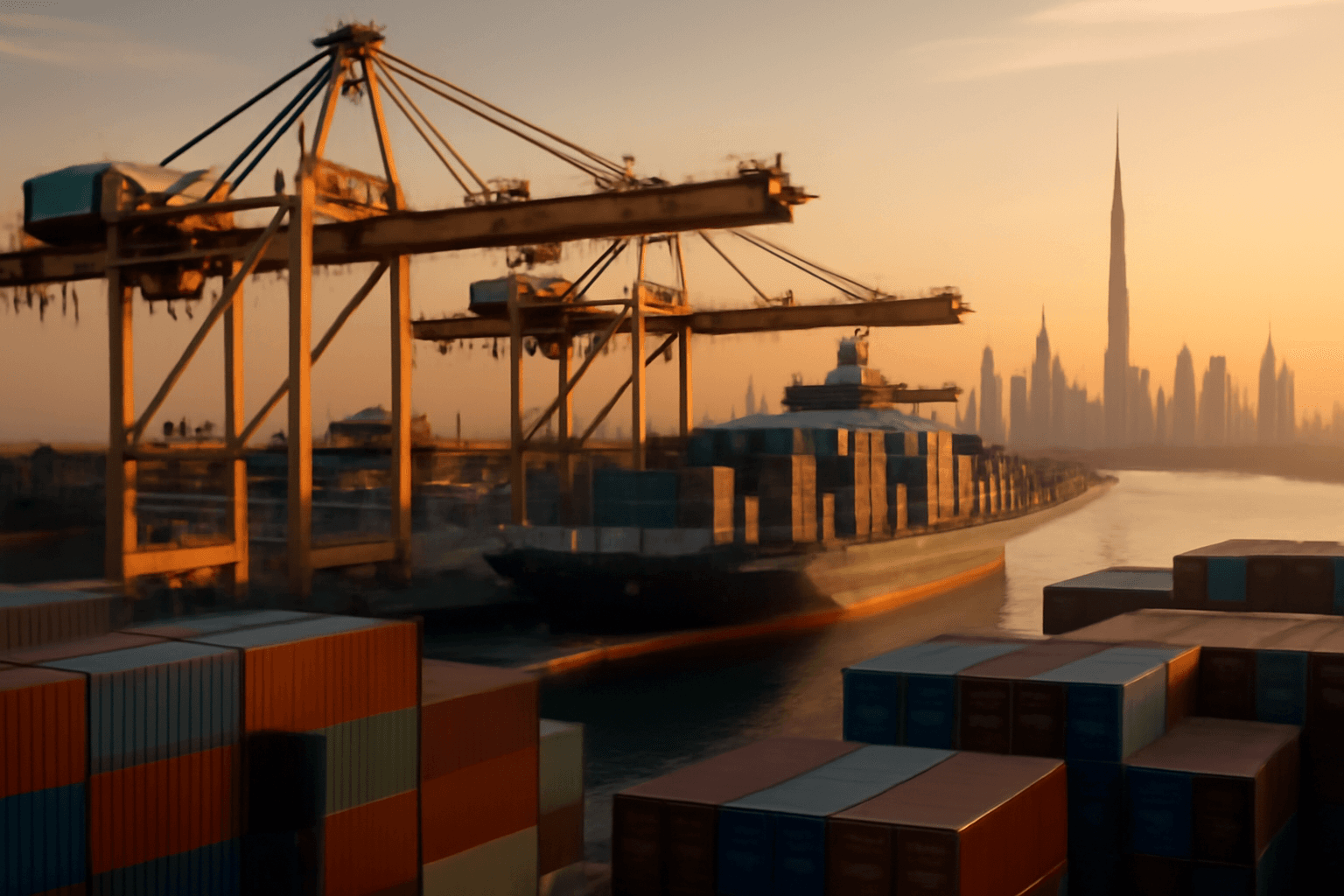
The United Arab Emirates is moving forward with a significant port development in Fujairah, aiming to enhance its export network. This initiative is crucial as it arises from persistent disruptions faced in the Strait of Hormuz, a key maritime passage for global shipping. Historically, this strait has been fraught with geopolitical tensions, and the UAE's strategic pivot signifies a proactive approach to fortifying its logistics and energy security.
The new port project is not merely about infrastructure; it exemplifies a broader ambition to bolster trade resilience. By reducing dependence on Hormuz, the UAE is positioning itself as a more reliable hub for trade and energy supplies. This shift could alter the competitive landscape among Gulf nations, especially if successful in attracting more shipping activities away from traditional routes.
Potential Impacts on Energy Security
With the global economy increasingly sensitive to energy supply disruptions, the UAE's strategy reflects a growing understanding of the need for stable and secure trade routes. If successful, this development could lead to:
- Enhanced logistics capabilities, reducing shipping times
- A more diversified export portfolio for the UAE
- Increased regional collaboration among Gulf states to ensure energy security
As discussions around the Strait of Hormuz crisis continue to evolve, this port development could serve as a critical countermeasure, potentially stabilizing oil prices and enhancing investor confidence in the region.
This material is informational and not financial advice.