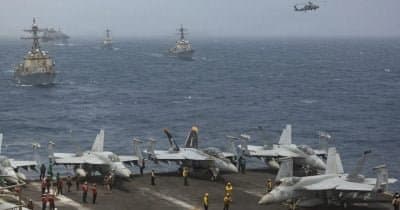
Brent crude oil prices have surged beyond $100 per barrel as the Strait of Hormuz remains effectively closed, highlighting the impact of geopolitical tensions on global oil supply.
This critical chokepoint, which previously facilitated a major portion of the world's oil transit, now faces severe restrictions. Market analysts are projecting that the flow of oil through this region may not return to pre-war levels, indicating a significant supply shock that has already begun to reshape oil pricing dynamics.
The ongoing closure has shifted market expectations, with participants adjusting to a new norm of persistent supply disruptions. As a result, the likelihood of West Texas Intermediate (WTI) crude reaching higher price targets has increased, reflecting the heightened fears of continued geopolitical uncertainty.
Investors are closely watching developments surrounding the Strait of Hormuz, including potential announcements from Iranian and U.S. naval forces. Any shifts in diplomatic relations or OPEC+ production decisions could further impact oil prices. The current volatility presents both risks and opportunities for market participants, as the situation evolves.
This article is for informational purposes only and should not be considered financial advice.