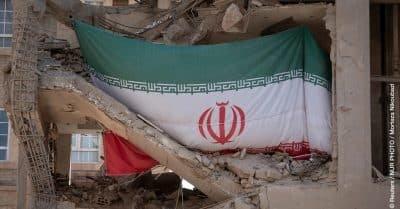
The recent NATO summit in Ankara has highlighted critical discussions on defense spending and alliance dynamics, particularly in the context of escalating tensions surrounding the U.S.-Israel military campaign against Iran. As NATO leaders convened, the pressure to enhance European defense capabilities has been underscored by former President Donald Trump’s pointed criticism of NATO allies for inadequate support. This summit's outcomes could have profound implications for both transatlantic relations and the geopolitical landscape concerning Iran.
Understanding the Stakes
This NATO gathering is significant for several reasons, particularly against the backdrop of Operation Epic Fury, which aims to curb Iran’s nuclear ambitions through military action. Although NATO has officially maintained a non-combatant posture, its discussions are steeped in implications for collective security cooperation among member states. Trump's vocal criticism may intensify fractures within NATO, as he has openly challenged key European nations such as Britain, France, and Germany for their reluctance to partake in U.S. operations aimed at Iran.
- NATO’s focus on defense spending is timely, given recent geopolitical tensions.
- Trump’s comments could exacerbate transatlantic divisions, impacting future military collaborations.
- Market predictions show a drop in reported confidence for the U.S.-Iran talks, suggesting shifting diplomatic prospects.
This landscape has also affected sentiment in prediction markets, where the likelihood of successful diplomatic talks between the U.S. and Iran has plummeted from 72% to 57.5%. This decline reflects broader uncertainties surrounding NATO's unity and strategic direction, possibly indicating that Trump’s rhetoric is resonating beyond mere political discourse, driving market perceptions and expectations about diplomatic resolutions.
Future Developments to Monitor
The implications of the NATO summit and subsequent actions are poised to influence not only U.S.-Iran relations but also the broader defense landscape in Europe. Observers should keep a close eye on a few key factors: NATO's forthcoming declarations and military strategies, Trump’s ongoing comments regarding the alliance, and any emerging initiatives from significant NATO members. Furthermore, developments pertaining to the U.S.-Israel military efforts against Iran will be pivotal in framing peace talks and may shape the collective stance of the alliance moving forward.
This material is for informational purposes only and does not constitute financial advice.