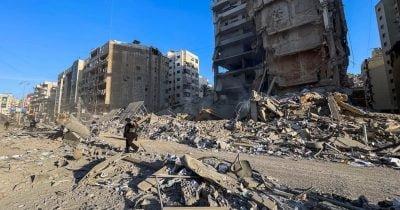
The recent killing of an Iranian army officer in U.S.-Israeli strikes marks a critical juncture in the ongoing military conflict, referred to as the 2026 Iran War. This escalation, which began on July 12, 2026, signifies the collapse of a previously fragile ceasefire between the involved nations. The military actions aim to undermine Iran's nuclear capabilities and create further instability within the regime.
In the context of increasing military activity, this incident points to a broader pattern of hostility that has been building throughout the year. The implications for the Iranian regime cannot be understated; market analysts are observing a potential decline in confidence regarding its stability. As the U.S. intensifies its strikes targeting vital Iranian infrastructure, observers are left to consider how this could affect both domestic sentiment within Iran and broader regional dynamics.
One crucial aspect to monitor in the wake of this incident is the possibility of defections or shifts within Iranian military ranks. Such movements may indicate a growing internal dissent against the regime, which could further jeopardize its longevity. Key figures, including Mojtaba Khamenei and the IRGC, play a pivotal role in maintaining the regime's grip on power, so their actions will be vital in the days ahead.
Moreover, the potential announcement of new military strategies by U.S. President Donald Trump could reshape the conflict's trajectory. As the situation unfolds, observers should also pay attention to public sentiment reflected through protests or demonstrations, which can serve as indicators of the populace's support or opposition to the regime. The complex interplay of these factors will not only dictate the future of Iran but will also have significant ramifications for regional security and global markets.
This material is informational and should not be considered financial advice.