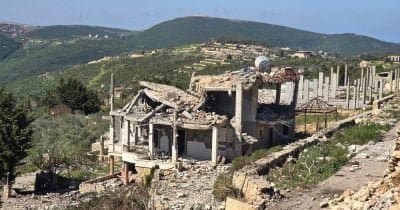
The ongoing conflict in Lebanon has reached a troubling new chapter as Israeli forces have reportedly demolished over 20,000 homes in southern Lebanon. This action, occurring during the 2026 Lebanon War against Hezbollah, raises significant concerns about the humanitarian implications and the broader regional stability.
According to Al Jazeera journalist Zeina Khodr, the demolitions are framed by Israel as necessary measures against Hezbollah's infrastructure. However, critics describe this as a form of 'domicide,' aimed at preventing displaced Lebanese civilians from returning to their homes. The scale of destruction not only exacerbates the humanitarian crisis currently affecting more than 1 million displaced individuals and resulting in over 4,000 fatalities but also suggests a marked escalation in military operations by Israel.
Market Implications and Future Considerations
The implications of this conflict extend beyond immediate humanitarian concerns; they also resonate within the financial markets. Current market pricing indicates a reduced likelihood of an Israeli withdrawal from the Litani River by the end of July, with only a 2.4% probability assigned to this outcome. In contrast, confidence appears higher for a potential withdrawal by December 31, with a 38% probability reflecting market expectations for developments in the latter half of the year.
Investors and analysts should keep a close watch on statements from key figures such as Israeli Prime Minister Benjamin Netanyahu and Hezbollah's military command. Any shifts in military strategy or announcements regarding ceasefires could significantly alter market perceptions and expectations. Furthermore, the humanitarian crisis and international responses will likely play crucial roles in determining the future trajectory of the conflict.
This article is for informational purposes only and should not be considered financial advice.