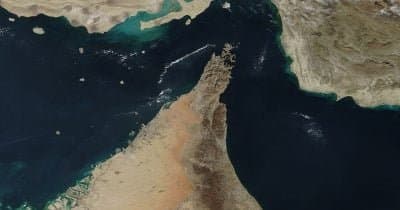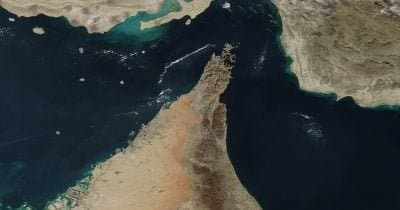
The recent missile attacks on merchant vessels in the Strait of Hormuz by Iran have intensified already volatile geopolitical tensions. The German Foreign Ministry's condemnation of these strikes underscores the regional instability, which has profound implications for global oil trade.
Iran’s Revolutionary Guard Corps declared the strategic waterway closed, claiming that U.S. and Israeli interventions justify such a drastic action. This is significant because the Strait of Hormuz is not just a local issue; it is a crucial chokepoint for global oil transportation, with approximately one-fifth of the world’s oil passing through it. Any disruption here can reverberate through the entire energy market, raising prices and threatening energy security worldwide.
The impacts of this closure are already observable in market reactions. Predictions regarding the normalization of traffic through the Strait have plummeted dramatically, with probabilities for a return to normalcy dropping from 32% to 15.5% within a week. This stark decline reflects heightened fears that the closure may last longer than initially anticipated, which can lead to increased oil prices globally.
Retaliatory Measures and Escalation
As tensions escalate, the U.S. has responded with airstrikes on Iranian targets and reinstated sanctions on Iranian oil, further complicating the situation. This type of escalation tends to create a cycle of retaliatory measures, drawing all sides deeper into conflict. Market analysts are now closely monitoring announcements from both U.S. and Iranian officials for signs of possible de-escalation. Without such signals, the outlook for reopening the Strait appears bleak.
Implications for Investors and Energy Security
For investors, the closure of the Strait of Hormuz and the broader Middle Eastern tensions present a complex environment. Gold prices may experience upward pressure as investors seek safe-haven assets amid uncertainty. Oil price fluctuations will also continue to be a focal point for traders.
Keeping a watch on diplomatic efforts is crucial. Any indication of peace talks or involvement by international organizations could signal a potential resolution. Conversely, further military actions from Iran would likely solidify market perceptions against normalization by the August 31 deadline. In essence, the situation remains fluid, and the stakes are high for both regional dynamics and global energy markets.
This material is informational and should not be considered financial advice.