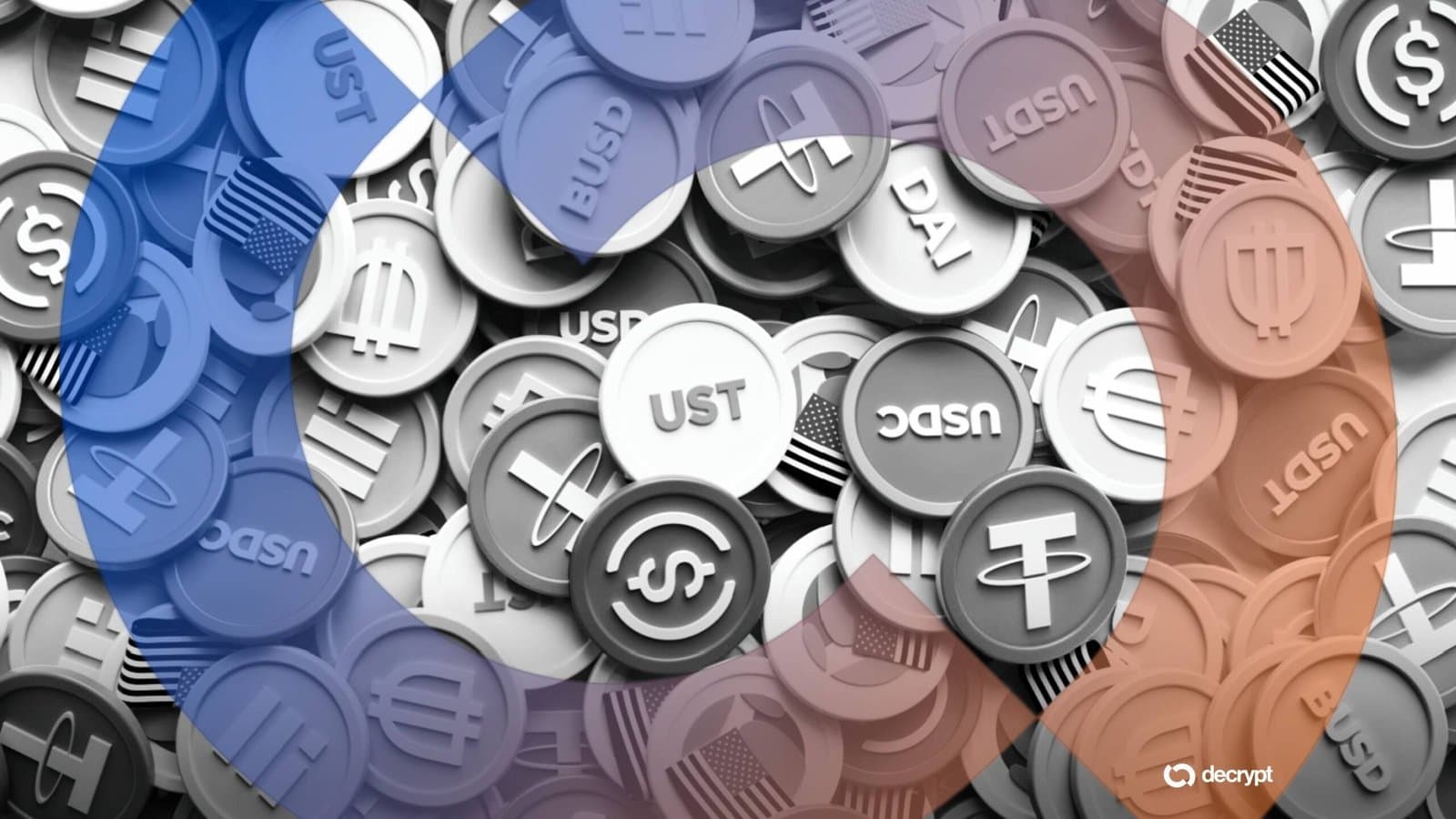
The Bank of Thailand's recent warning about unusual stablecoin transactions has sparked significant attention within the cryptocurrency sector. This move highlights the government's increasing scrutiny of digital currencies, particularly in relation to their potential use in the grey economy. The implications of this for investors and market participants are profound.
Market Response to Regulatory Scrutiny
Stablecoins, which are often viewed as a safe haven within the volatile crypto market, are now facing a more challenging regulatory environment. The Bank of Thailand has flagged that its monitoring efforts will target transactions that could be linked to illicit activities, including money laundering and tax evasion. This heightened vigilance is expected to affect trading volumes and investor confidence, particularly in the stablecoin segment.
As stablecoins serve as a bridge between cryptocurrencies and traditional fiat currencies, any regulatory actions could have ripple effects across the broader crypto market. Investors may start to reconsider their strategies regarding stablecoins amidst fears of increased compliance costs and potential legal ramifications.
Broader Implications for the Futures of Digital Assets
The Thai central bank's actions come at a time when many nations are grappling with how to regulate digital currencies effectively. The focus on stablecoins could signal a broader trend where regulators intensify their oversight across various crypto assets. This could lead to stricter requirements for issuers and traders, impacting liquidity and market dynamics.
Additionally, as regulatory frameworks evolve, there will likely be a shift in how investors allocate their portfolios. Those heavily invested in stablecoins might seek to diversify into other assets or sectors of the market that are less impacted by regulatory scrutiny. The potential for lower trading activity and a cautious approach from investors could slow the growth of stablecoins as a mainstream financial instrument.
Ultimately, the Bank of Thailand's initiative could influence not just the local market but also set a precedent for other countries contemplating similar measures. Such developments could alter the landscape of cryptocurrency trading and investment strategies on a global scale.
This material is informational and does not constitute financial advice.