The recent announcement by German Chancellor Friedrich Merz regarding the acquisition of US Tomahawk missiles marks a significant development in European defense capabilities. Confirmed during the NATO summit on July 9, 2026, this deal follows extensive negotiations and represents a key shift in Germany's military strategy.
Understanding the Importance of This Development
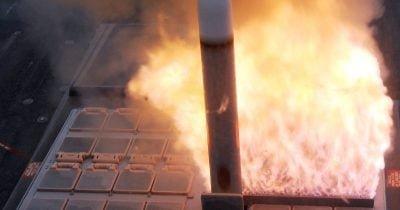
The commitment to integrating Tomahawk cruise missiles into Germany's military arsenal is crucial for several reasons. Firstly, these precision long-range weapons, capable of striking targets over 1,000 miles away, will enable Germany to enhance its deterrent capabilities. This is particularly critical given the evolving geopolitical landscape in Europe, notably in the aftermath of Russia’s aggressive maneuvers in Ukraine since 2022.
- The missile deal was confirmed on July 9, 2026.
- Germany's discussions with the U.S. began in July 2025.
- The Biden administration's 2024 commitment to bolster European defense paved the way for this acquisition.
- Tomahawks will be deployed using Typhon ground-launch systems.
Moreover, this agreement signifies a resolution to earlier hesitancies from the Pentagon pertaining to the potential escalation of tensions with Russia. The integration of these missiles is part of a broader context of Germany's defense modernization efforts, initiated under the banner of Zeitenwende or 'turning point'.
Implications for the European Defense Landscape
Raytheon, the manufacturer of the Tomahawk missiles, stands to gain significantly from this deal. Additionally, European defense integrators involved in logistics and infrastructure related to this missile deployment will also benefit, offering potential boosts to related markets and industries. This trend suggests an evolving landscape where defense spending and military capabilities are increasingly prioritized within Europe.
Furthermore, the deal emphasizes Germany's shift from a strictly defensive posture towards a more assertive military strategy, reflecting broader NATO objectives of ensuring effective deterrence in Europe. The implications of this shift can ripple through various sectors, from defense contracting to geopolitical dynamics in the region.
Looking Ahead: Future Developments to Monitor
As Germany moves forward with this acquisition and begins integration, it will be crucial to observe the reactions from both Russia and NATO allies. Watch for potential shifts in military exercises, procurement strategies across Europe, and any subsequent agreements that may emerge as countries reassess their defense postures.
This material is for informational purposes only and does not constitute financial advice.