The Pentagon's recent decision to allocate $80.5 million for the AeroVironment Titan-MS counter-drone system underscores a pressing shift in military strategy towards leveraging artificial intelligence for national security. This move signals not only the urgency of defending critical military installations but also highlights broader trends in defense spending and technological adaptation.
Understanding the Implications of This Investment
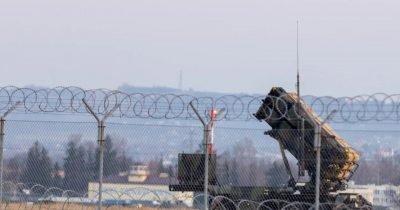
This significant investment is indicative of the increasing threats posed by unauthorized drone incursions, particularly near sensitive sites such as Barksdale Air Force Base, which is critical for managing nuclear-capable bombers. The use of an AI-powered system like Titan-MS is crucial as it enhances the military's capability to quickly respond to aerial threats. Given the increasing frequency of drone incidents, the need for advanced defense mechanisms becomes paramount.
- $80.5 million is allocated for the Titan-MS system.
- The Titan-MS is part of a larger $500 million contract with the Army.
- Unauthorized drone incursions have been reported at military bases in 2026.
This threshold investment of $500 million reflects the Department of Defense's expectations for widespread deployment of counter-drone technology across multiple military installations, ultimately leading to enhanced safety for sensitive operations. The Titan-MS utilizes multi-sensor fusion and advanced AI to effectively differentiate between benign and malevolent aerial vehicles, a crucial capability given the current landscape of drone technology.
Trends in Defense Technology and Market Dynamics
As the defense sector races to adopt AI technologies, AeroVironment is not alone in this endeavor. Other companies, such as Shield AI and Lockheed Martin, are also developing similar counter-drone systems, indicating a growing competitive landscape in military defense technologies. The pivot from developing unmanned systems to creating tools for neutralizing them demonstrates a strategic maneuver to hedge against market changes and emerging threats.
This adaptation not only serves the military's needs but also enhances the technological prowess of defense contractors, ensuring they remain relevant in an evolving battlefield that increasingly features AI-driven platforms.
Looking Ahead: Future Developments to Monitor
The military's ongoing initiatives will likely include broader integration of AI technologies into defensive strategies. Stakeholders should keep an eye on how this contract evolves and how other defense firms respond to the competitive landscape. Furthermore, understanding how these technologies will impact military readiness and national security strategies will be essential for investors and analysts alike.
This material is for informational purposes only and is not financial advice.