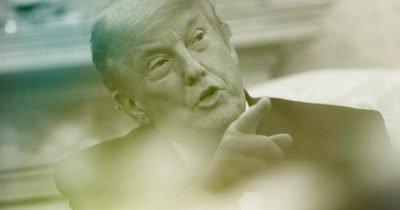
In an unexpected twist, both Donald Trump and Bernie Sanders have publicly endorsed the creation of a US sovereign wealth fund, aiming to join the ranks of countries like Norway and Saudi Arabia. However, their approaches reflect starkly different philosophies on economic management and the future of technology investment.
Why This Matters to the Market
The divergence in their proposals may have significant ramifications for various markets, especially technology and investment sectors.
- Trump's executive order, signed on February 3, 2025, sets a 90-day timeline for developing a fund focused on equity stakes in AI companies.
- Sanders proposes a staggering $7 trillion sovereign wealth fund financed by a one-time 50% tax on the largest AI firms.
- His initiative could yield annual dividends approximating $1,000 per American citizen, redefining wealth distribution.
This discussion highlights a shifting political landscape where both parties see the potential of technology and AI as key economic drivers. As tech leaders like OpenAI CEO Sam Altman engage in these conversations, they signal an urgency to influence legislation rather than simply react to mandates.
The Overlooked Factor: Cryptocurrency
Intriguingly, neither proposal mentions cryptocurrency or digital assets, despite their rising significance in the financial ecosystem. With discussions around the integration of blockchain into various governmental frameworks growing, the absence of these assets in both plans raises questions about their future role. Furthermore, the delayed timeline for Trump's proposal suggests that complexities in implementation are greater than initially perceived.
Both proposals face considerable hurdles: Trump’s transactional model may struggle to find traction amid political opposition, while Sanders’ ambitious tax plan could provoke resistance in a Congress wary of new burdens. The political feasibility of either proposal remains uncertain, particularly as debates over taxation and wealth distribution intensify.
Looking Ahead: Potential Outcomes
The future of these proposals is still unfolding. Investors should keep an eye on subsequent developments in Congress, particularly regarding Sanders’ taxation strategies and Trump’s equity plans. How these initiatives are embraced or resisted could have cascading effects on market dynamics, technology investment, and the potential integration of digital currencies into public finance.
This material is for informational purposes only and does not constitute financial advice.