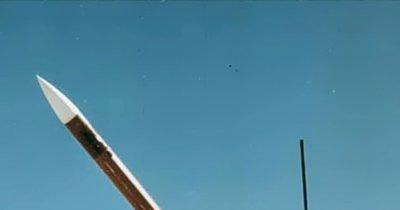
The recent announcement from President Trump granting Ukraine the license to manufacture Patriot missile interceptors marks a significant shift in U.S. defense export policy. This decision allows Ukraine to establish its own production facilities for the PAC-3 interceptors, a crucial component in countering ballistic missiles. While this move may seem like a standard operational enhancement, its long-term implications are far-reaching for both Ukraine and the global defense market.
Why This License Matters
This license not only empowers Ukraine but also reflects a broader strategy within the U.S. to prioritize technology transfer and co-production over direct arms shipments. In effect, this shift can lead to:
- A new revenue stream for defense contractors such as Lockheed Martin and RTX Corporation, both of which stand to benefit from licensing agreements and technical support contracts.
- The establishment of a precedent where other allied nations facing similar threats may seek similar production rights, fundamentally transforming the defense business model.
- A long-term commitment from Ukraine to bolster its military capabilities, signaling to investors that the conflict may extend for the foreseeable future.
As defense analysts point out, setting up an entirely new supply chain within a war-torn country presents numerous technical challenges that could delay operational production by several years. Despite these hurdles, the move is expected to reshape defense economics globally, especially for companies that engage in manufacturing and support.
Implications for Investors and the Defense Sector
Investors looking at defense firms must recognize the potential for sustained, reoccurring revenue models. Lockheed Martin and RTX will likely provide expertise in engineering, quality assurance, and component supply, making future earnings more predictable. As military production and support become more intertwined, the notion of defense contractors operating on a franchise-type model could take shape, changing how these companies interact with international markets.
Moreover, this development provides insight into the U.S.’s strategy towards supporting allies under persistent missile threats. The move could lead to other nations pursuing similar programs, which may further entrench the defense contractors in various markets.
What's Next?
Looking ahead, it will be crucial to monitor the progress of Ukraine in establishing its own production facilities for the Patriot missile interceptors as well as the response from Lockheed Martin and RTX in terms of contracts and support frameworks. Additionally, investors should keep an eye on potential shifts in defense spending and production strategies from other allied nations as they assess their own defense needs in the context of ongoing global threats.
This material is for informational purposes only and should not be considered financial advice.