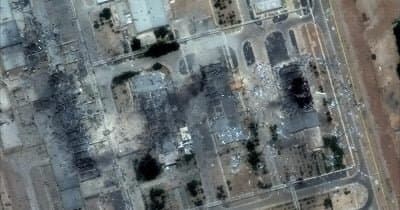
On July 21, 2026, the US Central Command launched targeted strikes against Iranian military bases, focusing on command centers and drone facilities. These actions directly address threats to commercial traffic in the Strait of Hormuz, a key chokepoint through which about one-fifth of the world’s oil supply passes daily. The precision of these strikes signals an attempt to degrade Iran’s ability to disrupt shipping rather than escalate into full-scale conflict. However, the implications ripple beyond military objectives and into regional stability and economic markets.
The Strait of Hormuz sits at the confluence of major energy supply routes. Disruptions here ripple globally, impacting oil prices and energy security. By targeting Iranian military infrastructure, especially drone capabilities linked to surveillance and harassment of commercial vessels, the US aims to preserve free navigation which is vital for energy-dependent economies worldwide. This move also fits within a broader pattern of escalating tensions between Washington and Tehran, where a continuous cycle of actions and retaliations steadily tightens economic and security pressures.
Market responses already reflect growing uncertainty. Recent spikes in YES market pricing for July 22 indicate that traders are pricing in a higher risk of Iranian counterstrikes, potentially targeting Gulf states aligned with the US. This heightened volatility showcases how geopolitical conflicts directly translate into financial market risks, particularly in instruments sensitive to regional stability and commodity flows. Investors and stakeholders closely monitor such indicators as early warnings of further escalation.
Looking ahead, key statements from Iranian leadership figures such as Supreme Leader Ali Khamenei and IRGC Commander Hossein Salami will provide guidance on the direction Tehran intends to take. Diplomatic efforts, potentially led by regional actors like Qatar or Oman, could alter these trajectories if effective de-escalation initiatives emerge. Conversely, additional military actions either by the US or Iranian proxies would likely sharpen market anxieties and influence trading strategies. With the situation fluid, the Strait of Hormuz remains a hotspot where military moves have outsized impacts on global commerce and investor sentiment.
These developments shows how intertwined geopolitical security and financial markets have become, especially in regions controlling critical supply lines. Maritime security in the Gulf is not only a local issue but a global economic factor that traders and policy makers cannot overlook. Insights from Hormozgan’s response to US-Iran tensions further contextualize how local dynamics amplify broader risks.
This article is informational and does not constitute financial advice.