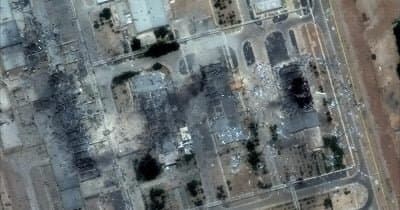
The United States has carried out airstrikes over Iran for 11 consecutive nights. This persistent military campaign signals a deepening conflict rather than a brief engagement. U.S. Defence Secretary Pete Hegseth revealed the conflict’s financial toll has escalated to $37.5 billion, underscoring the substantial economic burden of prolonged hostilities.
Implications of Continued Military Pressure
The U.S. aims to degrade Iran’s ability to threaten commercial shipping routes in the region. However, Iran’s retaliatory actions have increased tensions, pushing the situation closer to a critical juncture. Markets now price in a 29% probability that Iran could impose a full closure of its airspace by July 31, a move with significant ramifications for both regional trade and global supply chains.
The potential airspace closure would disrupt not only commercial aviation but also affect geopolitical risk premiums embedded in oil and commodity prices. Traders and investors are watching statements from the Civil Aviation Organization of Iran (CAOI) and Iranian government leaders for signs of escalation or restraint. Any further U.S. military action or diplomatic signals, including comments from President Donald Trump, could shift market probabilities swiftly.
At this juncture, the $37.5 billion war cost highlights the sustained resource allocation essential to this conflict, which contrasts sharply with shorter military engagements in recent history. This level of expenditure, coupled with ongoing hostilities, suggests the conflict may extend beyond initial forecasts, influencing long-term market volatility and regional stability concerns.
This evolving situation mirrors broader regional security risks similar to those seen with Tehran’s air defense activations, which previously affected market sentiment.
Material is informational, not investment advice.