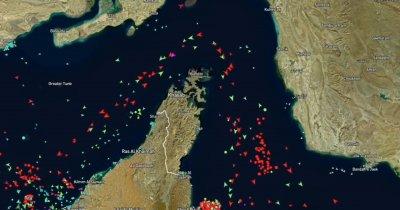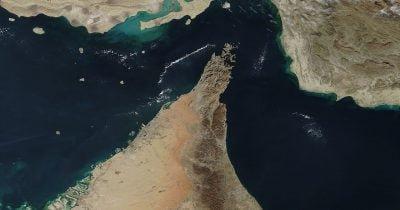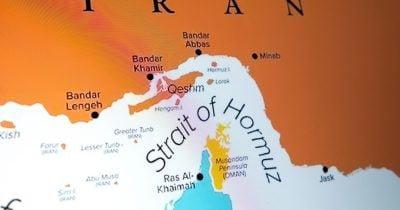
Recent military exchanges between the United States and Iran's Islamic Revolutionary Guard Corps (IRGC) over the strategically crucial Strait of Hormuz signal a dangerous escalation in the ongoing conflict, which is now characterized by a fragile state of ceasefire. This provocative action from Iran, targeting commercial shipping, has escalated tensions and triggered a strong military response from the US, which is likely to exacerbate an already precarious energy security landscape.
This latest conflict comes amidst a backdrop of waning diplomatic efforts to stabilize the region. The prospect of a US-Iran deal intended to facilitate reconstruction in Iran appears increasingly bleak, as evidenced by declining confidence reflected in prediction platforms. As noted, the likelihood of diplomatic resolution diminishes in light of these hostilities.
Potential Global Economic Impact
The ongoing military actions, particularly Iran's insistence on continuing assaults until US forces withdraw, could have far-reaching implications for global markets. If this situation escalates further, it could lead to significant disruptions in oil supply, given that the Strait of Hormuz is a vital route for around 20% of the world's petroleum. Such disruptions could inflate energy prices and exacerbate inflationary pressures globally.
Investors are particularly wary of how these developments might affect market perceptions. Any new military engagements by either side could either reinforce the lack of confidence in a peaceful resolution or perhaps prompt renewed diplomatic initiatives. The responses from key global players, including the United Nations and the European Union, will be critical in shaping the trajectory of this conflict and its economic ramifications.
Future Considerations
As the situation unfolds, observers are keenly watching for potential diplomatic interventions from nations like Qatar and Pakistan, which have previously attempted to mediate peace. However, the efficacy of these interventions remains questionable given the intensity of the current hostilities.
- Ongoing military activity heightens risk of oil supply disruptions.
- Declining confidence in US-Iran negotiations could influence market volatility.
- Responses from global powers may dictate future conflict developments.
This article is informational and not financial advice.