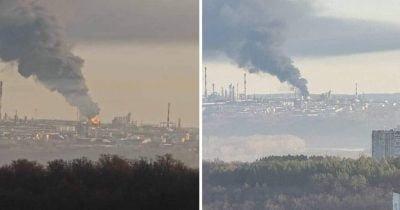
The recent attack by Ukraine on an oil pumping hub in Russia's Bashkortostan region underscores a strategic shift in the ongoing conflict. This incident is more than just a military strike; it represents Ukraine's efforts to disrupt Russia's energy supply chain, which is critical for sustaining its military operations.
Why This Matters to Investors and Market Observers
The attack occurred over 1,500 kilometers from the Ukrainian border, highlighting significant advancements in Ukraine's drone capabilities. This escalation suggests that Ukraine is not only regaining territory on the battlefield but is also intensifying its offensive actions aimed at crippling key Russian infrastructure. Such operations could shift market dynamics and alter perceptions of risk associated with investments tied to Russian energy exports.
- The likelihood of Russian forces entering Sloviansk by the end of 2026 has decreased, with market pricing indicating a drop from 34% to approximately 26% within a day following the attack.
- Ongoing strikes have exacerbated fuel shortages in Russia, potentially leading to more operational disruptions.
- This shift in military tactics may result in heightened geopolitical tensions, influencing global energy prices.
Future Observations: What’s Next?
Market participants will closely monitor the potential for further military escalations or shifts in territorial control as the conflict evolves. Key statements from influential figures, such as Ukrainian President Volodymyr Zelenskyy or Russian Defense Minister Sergei Shoigu, could significantly impact market sentiment. Additionally, any developments regarding troop movements or ceasefire talks might affect investor decisions and perceptions of security in Eastern Europe.
This material is for informational purposes only and is not financial advice.