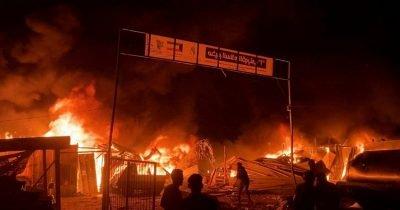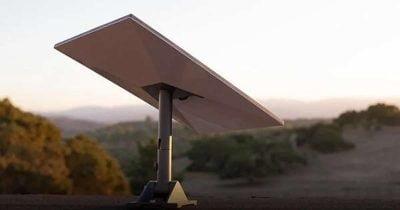
Recent reports indicate a significant shift in Russia's military strategy as they employ civilian vehicles to transport military supplies and utilize jamming technologies against Starlink satellite connections. This shift comes amidst Ukraine's ongoing drone strikes aimed at destabilizing Russian logistics, particularly those connecting to Crimea. With these tactics, Russia seems to be adapting its electronic warfare strategies in response to Ukraine's persistent military operations.
Understanding the Importance of These Developments
This adaptation in Russian tactics is crucial for several reasons. Firstly, it underlines an evolving battlefield scenario, impacting not only military objectives but also geopolitical dynamics in the region.
- The shift to civilian vehicles may complicate the identification and targeting of military operations.
- Increased jamming of satellite communications could hinder Ukraine's operational capabilities and real-time intelligence sharing.
- Marketplace predictions are reflecting a modest rise in confidence about Ukraine's potential to recapture Crimea by the end of 2026.
As the military landscape continues to evolve, these developments suggest a heightened state of awareness and adaptability among Russian forces, potentially complicating Ukraine's strategy and operations.
Looking Ahead: Key Factors to Monitor
Moving forward, observers should keep an eye on further military strategy adaptations from both sides. Significant shifts in battlefield dynamics or effective counteractions from Ukraine could alter market sentiments and significantly influence predictions concerning Crimea’s future. Updates from prominent figures, including President Volodymyr Zelenskyy and officials from the Russian Ministry of Defense, will be essential for understanding the broader implications of these military engagements.
This material is for informational purposes only and does not constitute financial advice.