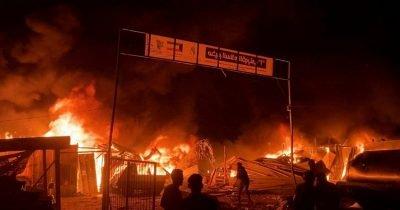
The tragic loss of five lives, including a child, in the latest Israeli airstrike on Gaza underscores the continued volatility and deteriorating human conditions in the Hamas-Israel conflict. This latest escalation occurs in a backdrop of a ceasefire that was meant to bring some stability to the region following ongoing military engagements. It also represents a critical moment for investors and analysts who are monitoring geopolitical tensions with potential ramifications extending beyond the immediate conflict.
Understanding the Broader Implications of Ongoing Strikes
The latest incident is emblematic of a longer-standing trend in the Israel-Hamas conflict, marked by regular ceasefire violations and continual military action. The implications for regional stability and by extension, market movements are considerable. With reports indicating a 47.9% probability of Israel launching strikes in multiple countries by the end of 2026, it's clear that the geopolitical landscape is being significantly reshaped by these events. Key statistics include:
- Five casualties in the recent strike, emphasizing civilian vulnerability
- A 3.9% increase in market projections for potential Israeli military operations, from 44% to 47.9%
- Ongoing directives by Prime Minister Netanyahu to extend territorial control
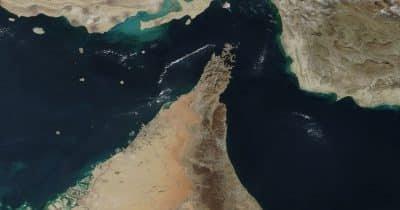
The increasing military activity aligns with investor sentiments that reflect heightened anxieties regarding the volatility in the region. Furthermore, the escalation in Gaza suggests a potential for broader confrontations, which is particularly pronounced given the implications for oil markets and global trade routes, among others.
Monitoring Future Developments and Market Reactions
Investors and analysts should remain vigilant for upcoming announcements from Israeli officials, particularly Prime Minister Netanyahu or Defense Minister Israel Katz, which could signal further military endeavors. Any confirmation of strikes occurring beyond Gaza may sway market sentiments and reinforce current predictions. Additionally, diplomatic interactions involving the U.S. or other international stakeholders may lead to pivotal shifts in the dynamics of the region.
Disclaimer: This material is for informational purposes only and should not be considered as financial advice.