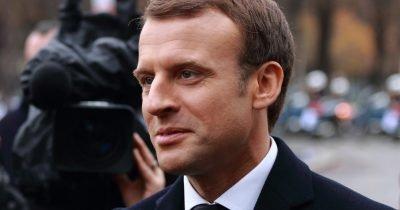
The announcement by French President Emmanuel Macron regarding Iranian strikes against US interests raises critical questions about the future of the ongoing diplomatic negotiation efforts aimed at de-escalating tensions in the region. Macron confirmed that these recent attacks have violated the Memorandum of Understanding (MoU) signed on June 17, 2026, which was intended to bring about a halt to military actions between the US, Israel, and Iran. However, the persistence of ceasefire negotiations highlights a shared commitment to seeking diplomatic solutions, even amidst violations of the accord.
Why This Matters for Global Stability
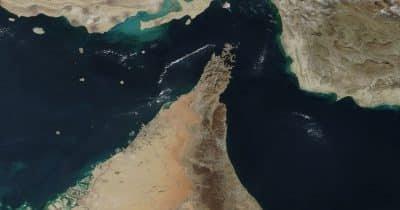
The diplomatic landscape has become increasingly intricate, with Iran’s strikes highlighting the fragility of the MoU intended to curb hostilities and reopen vital shipping lanes, such as the Strait of Hormuz. Macron’s remarks suggest that while hostilities are ongoing, both sides appear to value diplomatic engagement. This could be indicative of several factors:
- Iranian strikes have reportedly reduced in frequency, perhaps signaling a desire to avoid complete diplomatic breakdown.
- The US and its allies might still perceive the Iranian regime as a pivotal player, warranting continued dialogue despite provocation.
- Macron's statement reveals the intricate balance that global leaders must maintain while navigating geopolitical tensions.
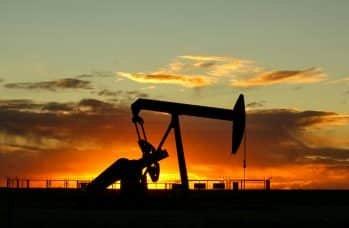
Despite this, the implications of continued attacks cannot be ignored. These strikes, even if reduced in frequency, still compromise critical oil infrastructure and threaten regional stability. The Iranian regime's ability to engage in military action while seemingly participating in negotiations will remain a focal point for international observers.
Anticipating Future Developments
Moving forward, the international community should closely monitor the progression of ceasefire discussions. Key indicators include:
- Further statements from Macron or other international leaders regarding their stance on Iran.
- Changes in loyalty within the Islamic Revolutionary Guard Corps (IRGC).
- Any modifications to the operational status of the Strait of Hormuz, given its importance in global oil transport.
The dynamics at play are complex, and the Iranian regime's stability may hinge on these negotiations. Continued engagement or a shift towards confrontation could significantly influence regional peace and economic conditions. Investors focusing on geopolitical risks should remain vigilant, as developments in this arena could have far-reaching effects on market stability.
This material is for informational purposes only and is not financial advice.