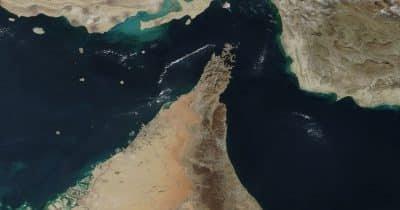
The International Monetary Fund (IMF) has recently raised alarms about a potential inflation crisis that threatens to destabilize the global economy. This warning, reported by the Financial Times, underscores the growing concerns related to rising energy prices fueled by ongoing conflicts in the Middle East, particularly the escalating tensions involving Iran. As global inflation is predicted to reach 4.4% in 2026, with economic growth anticipated to slow to 3.1%, the implications for monetary policy are significant.
Understanding the Importance of the IMF's Warning
The IMF's alert signals a critical juncture for global central banks, which may need to recalibrate their strategies in response to this inflationary pressure. This situation is compounded by the current inflation trends seen in major economies such as the U.S. and the Eurozone. As these regions grapple with rising prices, there is an increasing probability that central banks, including the Federal Reserve and the European Central Bank (ECB), will need to tighten monetary policies further, a decision that could inadvertently stifle economic growth.
- Global inflation expected to rise to 4.4% in 2026.
- Projected economic growth slowdown to 3.1%.
- Decreased likelihood of the Federal Reserve abstaining from interest rate changes in July.
The surge in energy prices, a key contributor to inflated costs, is likely to steer central bank discussions regarding interest rates. This relationship between energy costs and inflation dynamics highlights the fragility of economic recovery, especially if geopolitical tensions continue to ramp up.
Future Watch: Central Banks and Market Reactions
As market participants grapple with these developments, their attention will be keenly focused on upcoming meetings of central banks, particularly the Federal Reserve's gathering in July. Investors will be analyzing any shifts in rhetoric or policy use by Fed Chair Jerome Powell and his colleagues, as these could significantly influence market expectations and investor sentiment. Moreover, ongoing developments in the Middle East and their impact on energy prices will play a crucial role in shaping inflationary trends moving forward.
Disclaimer: This material is for informational purposes only and should not be considered financial advice.