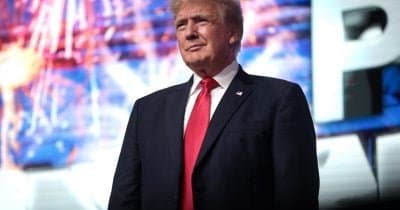
President Donald Trump has greenlighted military strikes by Saudi Arabia against the Houthi rebels in Yemen, marking a key juncture in U.S. foreign policy. This decision represents a strategic pivot, allowing regional powers to spearhead military operations while the U.S. takes a backseat. The renewed violence comes on the heels of increased Houthi assaults on Red Sea shipping and clashes that claimed the lives of 16 Yemeni government soldiers. This conflict has been unfolding since 2014 and involves Iran-backed Houthis clashing with the Saudi-supported Yemeni government. The recent escalation signifies a departure from a ceasefire brokered by Oman just a year prior.
Current Geopolitical Climate
This authorization heightens geopolitical tensions, particularly as markets react to the uptick in conflict likelihood. As of July 13, predictions suggest a 90% probability of Iranian military actions against Gulf states, a significant rise from 74% the day before. This surge indicates that investors are aligning their expectations with the realities of an increasingly volatile situation. The market sentiment reflects an anticipation of broader conflict, which could reverberate through regional economies and impact oil prices. A war could disrupt supply chains and create ripples in global markets.
Potential Consequences for Investors
The prospect of further military actions by Saudi Arabia, along with Iran's likely responses, will be under close scrutiny. Any additional conflict or diplomatic maneuvering could alter market dynamics significantly. Investors should be aware that shifts in U.S. foreign policy or unexpected military developments may provoke substantial market reactions. The heightened tension might serve as a harbinger of a larger regional upheaval, underscoring the potential risks for those engaged in Middle Eastern markets or related commodities.
This material is for informational purposes only and should not be considered financial advice.