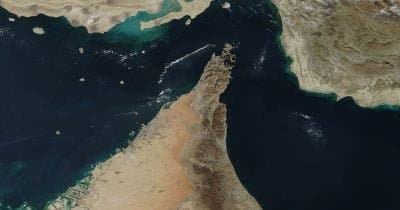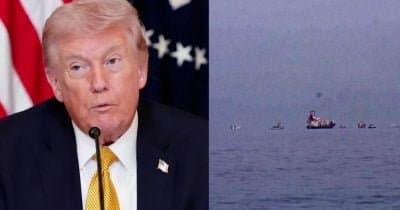
On July 13, 2026, President Donald Trump formally notified Congress about the resumption of hostilities with Iran, following a series of defensive airstrikes executed by US forces on July 7. This announcement, revealed by The New York Times, comes as a direct response to escalating tensions in the region, particularly Iranian assaults on commercial vessels in the strategic Strait of Hormuz.
Context of the Situation
Trump’s letter to Congress highlights the US military's engagement against over 80 sites linked to the Iranian Revolutionary Guard, which included critical air defense systems and naval assets. This re-escalation effectively ends a temporary ceasefire, suggesting that the delicate balance of peace in the region has been disrupted. The timing and nature of these strikes signify a serious commitment from the US to assert its military presence and defend its commercial interests in the Gulf.
Potential Implications for Regional Stability
The geopolitical ramifications are significant. Current market activities suggest a heightened likelihood of Iran implementing a full airspace closure by July 31, with a 26.5% probability reflected in the pricing. Such an action would exacerbate existing tensions and could trigger a larger military conflict, despite the current low probability (5.5% by year-end) of the US officially declaring war on Iran. This situation should be closely monitored, as the Civil Aviation Organization of Iran and state media could provide critical updates about airspace policies, serving as indicators of Iran's next moves.
Increased military maneuvers from Iran or retaliatory strikes could further destabilize the region, affecting not only local politics but also global markets. Traders and investors should remain vigilant as shifts in military engagement can lead to abrupt changes in oil prices, currency values, and overall market sentiment.
Political Landscape in the US
The congressional response to Trump's notification is equally crucial. The debate over the extent of military authority could influence future engagements and policy decisions. Any perceived misstep or aggressive action could provoke a backlash not only from opposition parties but also from within Trump's own ranks. The implications of this military notification could ripple through domestic politics as well, potentially affecting upcoming elections.
In light of these developments, investors and analysts should prepare for potential volatility in both geopolitical stability and market dynamics as the situation unfolds. Keeping an eye on both US and Iranian actions will be essential for understanding the broader implications for oil markets and security in the region.
This material is for informational purposes only and should not be considered financial advice.