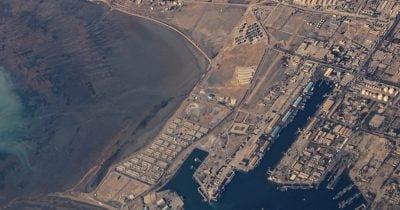
Iran’s state media has reported a series of explosions in the southern port city of Bandar Abbas and the coastal town of Sirik, coinciding with escalating tensions between the United States and Iran. These incidents, which are attributed to a gas leak, occur against the backdrop of military actions in the region, particularly U.S. air strikes targeting Iranian positions in response to earlier provocations in the strategically vital Strait of Hormuz.
This string of explosions raises critical questions about Iran’s internal stability and the potential ripple effects on its leadership. Market analysts are currently assessing how these developments may influence investor sentiment and political continuity in Iran, especially as speculation surrounding leadership changes mounts. Despite this tension, market indicators suggest that the probability of instability resulting in a power vacuum by the end of 2026 remains low.
As observers scrutinize the situation, the interplay between military operations and political dynamics becomes increasingly relevant highlighting a possible shift in regional power balances. Heightened military activities may not only alter perceptions of Iran's political landscape, but could also fuel broader geopolitical ramifications.
It is crucial for investors and political analysts to keep a close watch on the reactions from both Tehran and Washington regarding the recent explosions. Any official statements or escalatory military moves could significantly impact market outlooks, especially in the context of sanctions and international relations.
Moreover, developments within the Strait of Hormuz, a critical artery for global oil shipments, warrant attention as they could trigger further instability, which might be reflected in market pricing and risk assessments.
This analysis serves as an informational overview and should not be interpreted as financial advice.