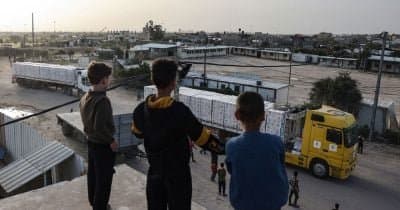
The ongoing conflict in Gaza, marked by a resurgence of Israeli airstrikes, is stirring concerns around regional stability and the potential for broader military engagements. In July 2026, Israel's military launched several airstrikes across Gaza, following a series of attacks that led to significant civilian casualties, including the tragic death of a nine-year-old girl. These developments come against the backdrop of a ceasefire agreement brokered by the U.S. in October 2025, which has repeatedly been undermined by continuous violations from both parties.
The Ceasefire’s Fragility
The fragile ceasefire arrangement was initially seen as a hopeful step towards peace, yet the reality on the ground tells a different story. Israeli military operations have persisted, reflecting a lack of adherence to the agreement. This inconsistency not only underscores the complexities of the conflict but also raises questions about the durability of any negotiated peace in the region. The implications of such instability are broad-reaching, affecting not just local communities but also international perceptions and reactions.
Market Reactions and Geopolitical Tensions
As the situation escalates, financial markets are increasingly pricing in scenarios where Israel may extend its military actions beyond Gaza. Observers and investors are advised to monitor developments closely, particularly potential military campaigns involving allied nations. Historical patterns indicate that increased military activity can lead to volatile market conditions, impacting assets related to security and defense.
Additionally, the current geopolitical climate, characterized by these repeated ceasefire violations, suggests that the region may see further military engagements. This sentiment aligns with insights from previous analyses regarding how geopolitical strains can redefine market dynamics, as discussed in our piece on how geopolitical strains are redefining oil price dynamics. Such insights are vital for investors navigating this complex landscape.
In conclusion, as the conflict in Gaza intensifies, stakeholders must remain vigilant. Developments that escalate military actions or introduce new diplomatic negotiations could influence both regional stability and market expectations significantly.
This material is for informational purposes only and does not constitute financial advice.