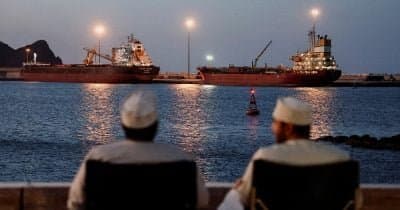
The Strait of Hormuz, a critical maritime chokepoint, is currently at the center of escalating tensions between the U.S. and Iran. This situation poses significant risks not only to regional stability but also to global shipping and energy markets.
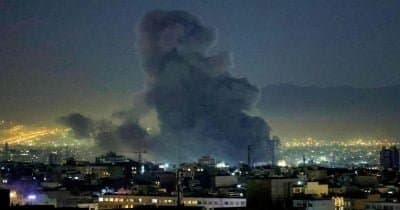
Recent statements from U.S. President Donald Trump affirm that the strait remains open, directly contradicting Iranian claims of its closure. This clash of narratives comes on the heels of heightened military activity following the death of Iran's Supreme Leader, Ali Khamenei, which has contributed to a precarious atmosphere in the region.
Market participants are responding with increasing caution, as evidenced by probabilities surrounding maritime traffic. The likelihood of fewer than 150 ships passing through the Strait of Hormuz between July 6 and July 12 has surged to 84.2%. This uptick signifies a growing concern about potential disruptions in shipping routes, suggesting that traders are factoring in the risks associated with these geopolitical tensions.
The Impact on Maritime Operations
Additionally, market assessments indicate a staggering 0.5% probability that Iran will refrain from attacking ships in the strait. This skepticism reflects a broader uncertainty about Iran’s intentions and its commitment to de-escalation. As military operations intensify, the risk of miscalculations increases, which could exacerbate existing tensions and lead to significant disruptions in maritime operations.
Observers should remain vigilant, particularly regarding any diplomatic negotiations that might emerge between the U.S. and Iran. Significant developments, such as shifts in military posture or announcements from international monitoring bodies, could greatly influence market sentiment and operational strategies in the region. For instance, understanding the implications of renewed U.S.-Iran military tensions will be crucial for stakeholders.
Future Challenges Ahead
The expiration of Iran’s 60-day toll-free window on August 17 could also serve as a critical juncture for maritime traffic in the strait. This deadline is likely to amplify existing anxieties and may alter shipping routes, impacting global oil supply lines and pricing.
In summary, the current situation in the Strait of Hormuz not only emphasizes the fragility of maritime security but also highlights the interconnectedness of geopolitical events and market dynamics. The potential for reduced ship transits could have ripple effects on global trade and energy prices, making the need for careful monitoring more essential than ever.
This material is informational and should not be considered financial advice.